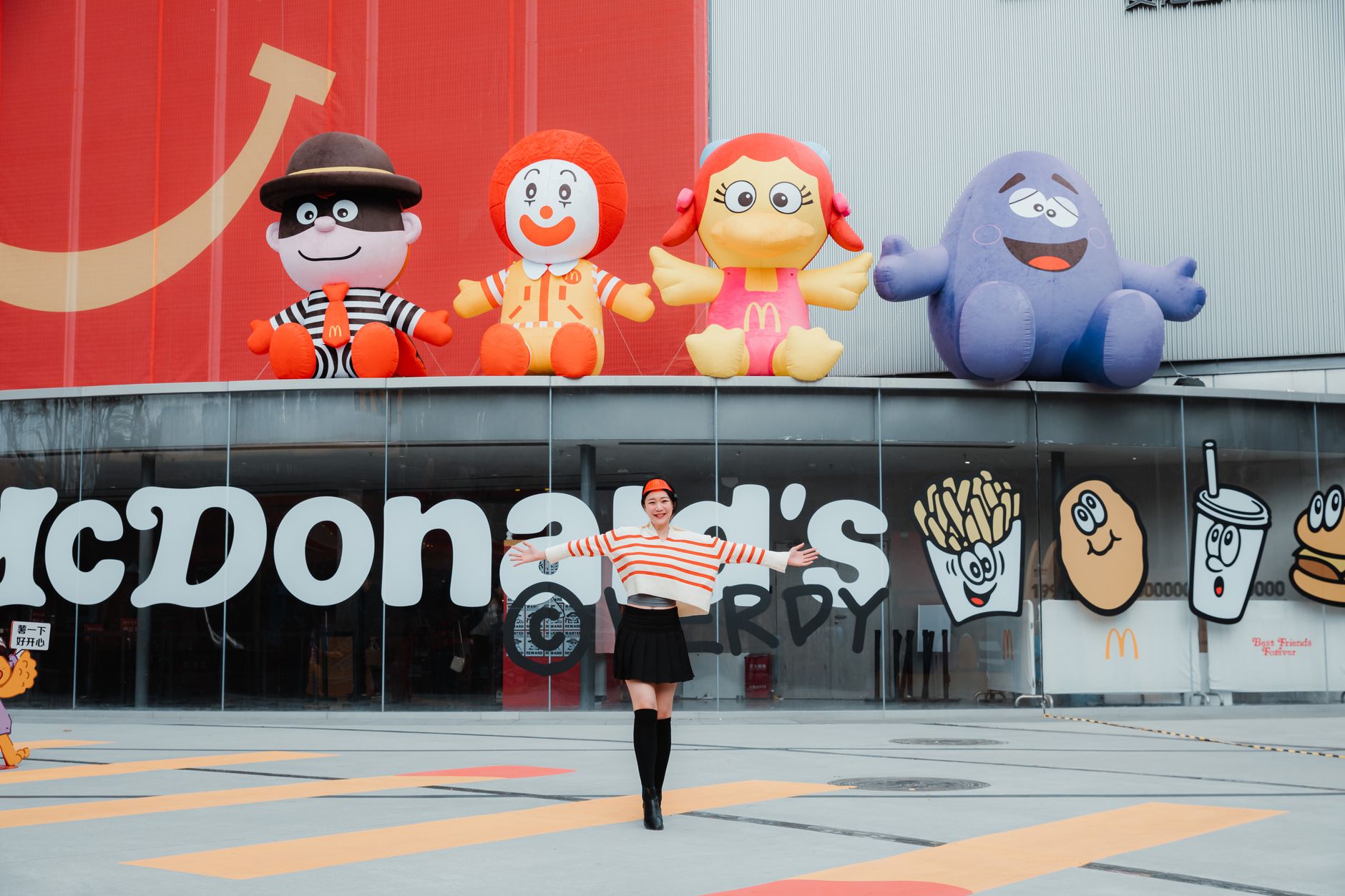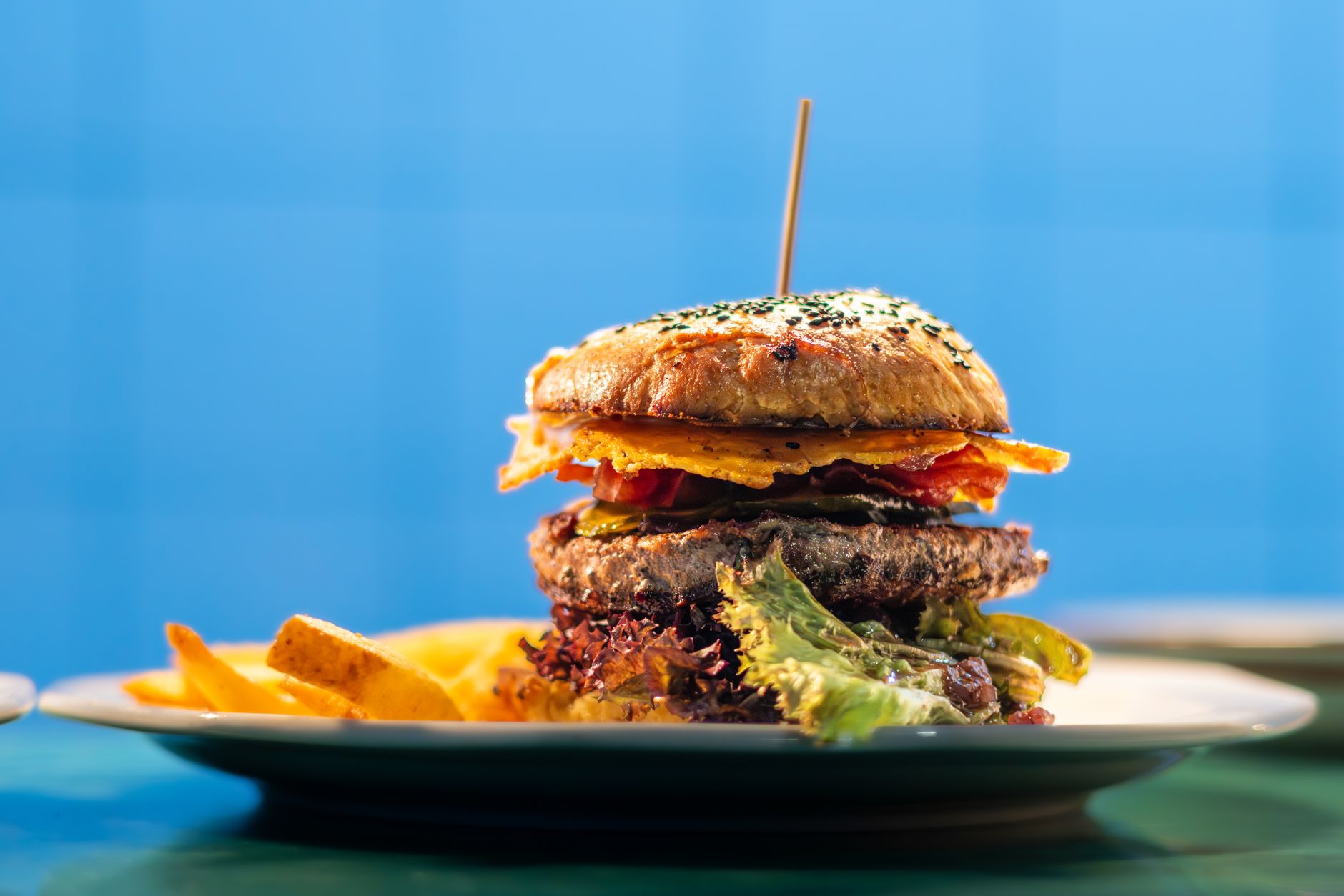
What was the first fast food? If you imagine a famous golden-arched giant or a burger joint on every corner, you might be surprised. The concept of "first fast food" goes deeper, with roots that stretch back beyond the celebrities of todays dining scene. Understanding where it all began gives you a richer view of the fast food industryits convenience, its challenges, and its lasting influence.
What Is Considered First Fast Food?
Defining "Fast Food" Through History
Fast food means quick, affordable meals prepared and served rapidly, often for takeout or minimal dining. Before fast food chains, street vendors and inns provided simple, fast meals. But the shift came when businesses standardized menus and processes to deliver consistent food quickly to larger crowds. Food historians emphasize that the rise of industrialization and urban life kicked off this need for speedy meals.
Which Was the First Fast Food Restaurant?
The title of the first fast food restaurant often goes to White Castle, founded in 1921 in Wichita, Kansas. It pioneered standardized cooking methods and a sanitized image, selling small, affordable hamburgers. But earlier efforts existed, like A&W Root Beer stands in the 1910s serving quick drinks and snacks, or even automat-style eateries in the early 1900s. What sets White Castle apart is its role in truly shaping the fast food business model.
How the First Fast Food Changed Dining in America
The emergence of the first fast food made meals faster, cheaper, and more accessible. It opened doors for workers and families needing quick nourishment during busy days. White Castle, in particular, popularized the hamburger as a handheld, portable meal, perfect for an evolving American lifestyle. This shift drastically altered eating habits and foreshadowed the explosion of fast food culture nationwide.
The Hamburger Origin and Its Role
Where and When Did the Hamburger Really Begin?
The hamburgers origin has long been debated. While the sandwichs roots trace to Hamburg, Germany, the American hamburgers invention is credited to several 19th-century claims. Records suggest that by the early 1900s, various vendors across the US were selling ground beef patties between buns. White Castles founders took this further, refining the recipe and cooking method around 1921, turning it into a fast food sensation.
Why the Hamburger Became Synonymous with Fast Food
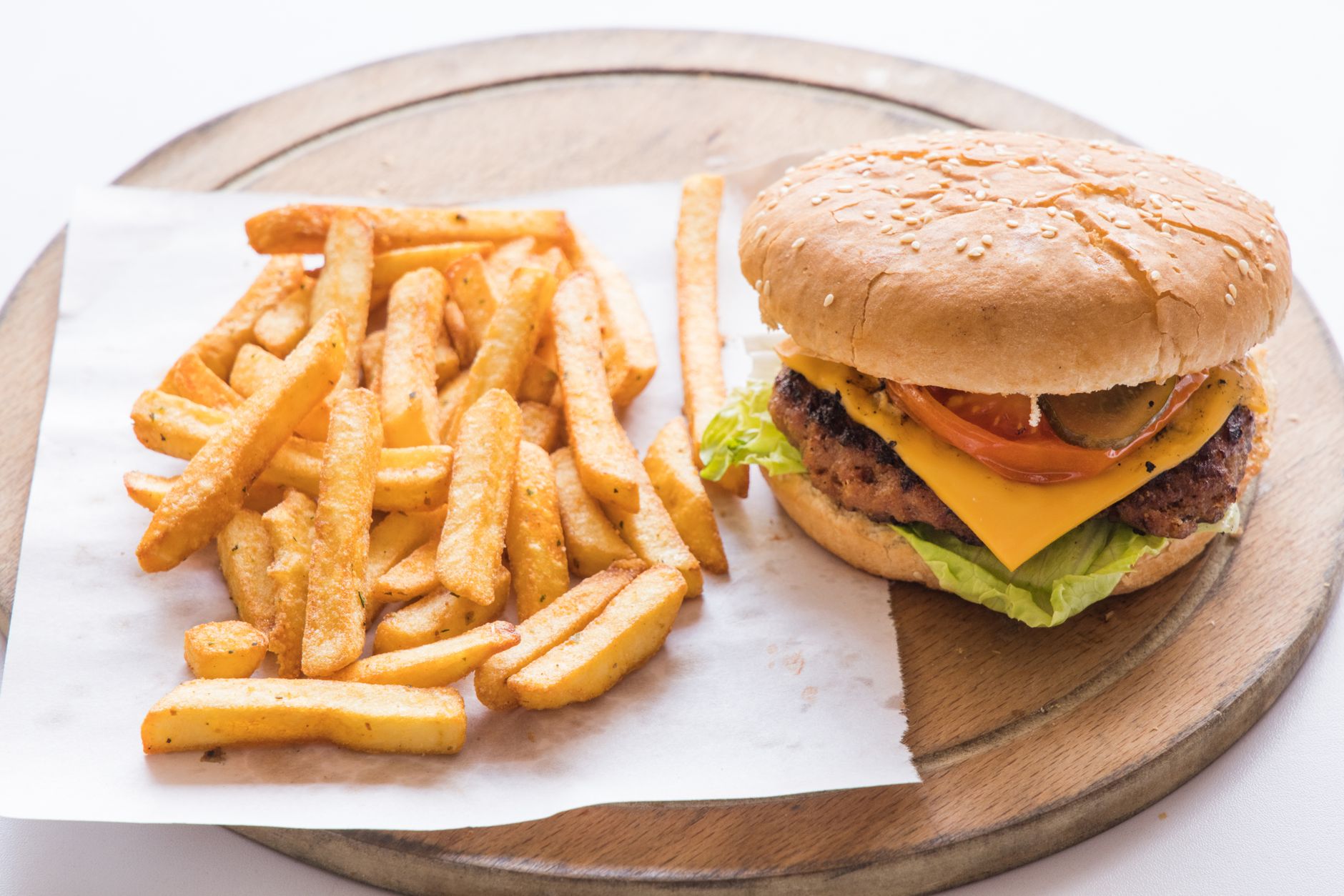
Hamburgers are ideal fast food for many reasons. Theyre compact, easy to eat on-the-go, and quick to cook. Their simple ingredients allow mass production without sacrificing flavor, and they offer broad appeal from kids to adults. The portability and affordability made the hamburger a staple in American fast food culture, cementing its place on menus nationwide.
Popular Early Fast Food Chains That Popularized Hamburgers
| Chain | Founding Year | Specialty | Regional Availability |
|---|---|---|---|
| White Castle | 1921 | Small hamburgers ("sliders") | Primarily Midwestern U.S. |
| A&W Restaurants | 1919 | Root beer floats, burgers | U.S. and Canada |
| McDonalds | 1940 | Burgers and fries | Global |
| In-N-Out Burger | 1948 | Fresh burgers and fries | Western U.S. |

Fast Food Chains Today and Their Heritage
Legacy of the First Fast Food on Modern Chains
Modern fast food giants borrow heavily from the first fast food concepts. Standardized menus, efficient kitchens, and branding all trace back to early pioneers like White Castle. Even service stylesdrive-thrus, takeout packagingare modern evolutions of simpler beginnings. Experts note these early models pushed today‘s chains to innovate with speed and consistency while juggling quality and customer expectations.
Why the Original First Fast Food Chains Aren‘t Everywhere Today
Though White Castle shaped the industry, it remains mostly regional, unlike McDonalds global dominance. Challenges such as market saturation, changing tastes, and competition shaped this. Regional preference plays a big role; for example, White Castles "sliders" thrive in the Midwest but less so elsewhere. Meanwhile, consolidation and acquisitions have blurred original brand identities but also kept their spirit alive.
Chicken wrap review shows how convenience continues evolving in fast food today, just like the early chains did almost 100 years ago.
Benefits and Risks of First Fast Food
What Made the First Fast Food Beneficial?
Fast food met the urban lifestyles demand for quick nourishment. Affordable pricing made it accessible to working families. It expanded employment opportunities and boosted the food manufacturing sector. Many families found fast food convenient without losing taste appeal, creating social spaces around simple meals.
Risks and Challenges Associated with Early Fast Food
But early fast food also came with high sodium, fats, and processed ingredients. These contribute to health issues such as obesity and heart disease, according to studies like those from the USDA FoodData Central. Many early chains lacked transparency about ingredients or nutritional value, creating long-term concerns.
How Current Fast Food Has Addressed Those Early Risks
Todays chains offer healthier menu optionsgrilled items, lower-sodium products, and clear labeling. Halal certifications from bodies like JAKIM ensure meat sourcing meets specific ethical and dietary standards, providing peace of mind for Muslim consumers. However, fast foods nutritional debate continues, requiring mindful choices from diners.
Is first fast food actually Halal what should I check?
To confirm if fast food is Halal, look for certification logos from trusted bodies like JAKIM, HMC, or IFANCA. These assure the meat and ingredients comply with Islamic dietary laws. Also, check that the establishment avoids cross-contamination and offers clear labeling for Halal menu items.
When is the best time to eat/drink fast food?
Fast food suits busy hourslunch breaks, quick dinners, or on-the-go snacks. Choose times when you need energy but limited time, such as midday or after work. Balancing portion sizes keeps indulgence occasional rather than constant.
Does early fast food contain allergens I should watch for?
Yes. Many fast food items contain allergens including gluten, dairy, soy, and nuts. Always review ingredient lists and ask for allergen information before ordering, especially if you follow strict Halal or allergy-sensitive diets.
How can I enjoy fast food without compromising health?
Pick grilled or baked options, watch portion sizes, and accompany meals with salads or water instead of sugary drinks. Many chains now offer nutrition info online to help you decide.
Are original fast food recipes still used today?
Some chains maintain their original recipes for signature items, like White Castles sliders. Others adapt recipes to modern tastes and health trends, offering lower-fat or plant-based alternatives.
Why did some early fast food restaurants disappear?
Market competition, inability to scale nationally, changing consumer preferences, and financial struggles led many original fast food outlets to close or be absorbed by larger brands.
How can Halal consumers find trustworthy fast food options?
Seek Halal certification on products and venues, ask about preparation methods, and use trusted guides like thucphamhalal.com to identify safe, halal-certified fast food providers.
Pro Tips for Navigating Fast Food Choices
One common mistake is assuming all fast food is unhealthy. Choosing certified Halal options combined with balanced sides can make fast food part of a diverse diet. Avoid cheap, unverified spots that compromise quality and Halal assurance. Experts recommend verifying certifications on packaging or at outlets to ensure authenticity.
More You Might Like
If youre curious about quick, wholesome options beyond burgers, check out this Chicken wrap review for a fresh take on convenient meals.
For a wider variety of flavorful options, explore our guide on Chinese food tampa to find Halal-certified delights with a twist.
Conclusion
The first fast food restaurant shaped dining habits with simplicity, speed, and accessibility. Understanding its originfrom early hamburger stands to todays diverse chainshelps appreciate both the convenience and challenges it presents. Next time you try a fast food meal, consider its history and look for certified Halal options to enjoy a trusted, tasty experience.
FAQs
Is first fast food actually Halal — what should I check on the label?
To confirm if fast food is Halal, look for certification logos from trusted bodies like JAKIM, HMC, or IFANCA. Ensure the restaurant avoids cross-contamination and clearly labels Halal menu items to guarantee compliance with Islamic dietary laws.
When is the best time to eat or drink first fast food?
Fast food suits busy times such as lunch breaks, quick dinners, or on-the-go snacks. It’s best enjoyed when you need energy but have limited time, like midday or after work, while balancing portion sizes to keep it occasional.
What is the typical shelf life of fast food after purchase?
Fast food is best consumed immediately for optimal taste and safety. If stored, it should be refrigerated promptly and eaten within 1-2 days. Reheating properly reduces risks but prolonged storage can lead to quality and health concerns.
How does first fast food differ from traditional sit-down meals?
First fast food focused on quick preparation, affordability, and portability with standardized menus, unlike traditional meals that are slower and often more elaborate. It caters to busy lifestyles requiring convenience without full-service dining.
Where can I find trustworthy Halal fast food options today?
Look for restaurants with official Halal certifications and transparent ingredient practices. Trusted online guides, verified Halal directories, and direct inquiries at outlets help ensure safe, authentic Halal fast food choices.