If youve ever wondered about oysters vs clams, youre not alone. Both shellfish have their fans, but which one fits your taste, budget, and cooking style best? Whether youre planning a weekend grill or looking for fresh seafood options, understanding the subtle differences can help you pick the perfect bivalve. Lets break down flavor profiles, cost, cooking methods, and health factsno confusion, just good advice.
Flavor Profiles
What Does Briny Mean When Comparing Oysters vs Clams?
When we talk about the oysters vs clams flavor, briny is key. Oysters offer an intense ocean-fresh burst, often described as briny or salty but with a mineral sharpness. This rich saltwater tang comes from their filtering of seawater and varies depending on the region theyre harvested from. Clams, by contrast, are milder and sweeter. Their flavor is more neutral and approachable, making them a favorite for people new to shellfish or those who prefer subtle seafood notes.
This difference means oysters shine when you want that bold, raw seafood punch. Clams work better when the goal is to complement other ingredients without overwhelming them.
Taste Testing Tips: Identifying Fresh, Flavorful Oysters and Clams
- Choose oysters and clams that have tightly closed shells or close quickly when tapped.
- Fresh shellfish smell cleanlike the oceannot fishy or ammonia-like.
- Look for smooth, unbroken shells with no dried-out edges.
- At markets, ask vendors about harvest dates to gauge freshness.
| Shellfish | Flavor Notes | Best Served |
|---|---|---|
| Oysters | Briny, mineral-rich, slightly metallic | Raw, grilled, baked with bold toppings |
| Clams | Mild, sweet, slightly nutty | Steamed, baked, in soups or pasta |
Cost and Availability
Why Clams Are Generally More Budget-Friendly
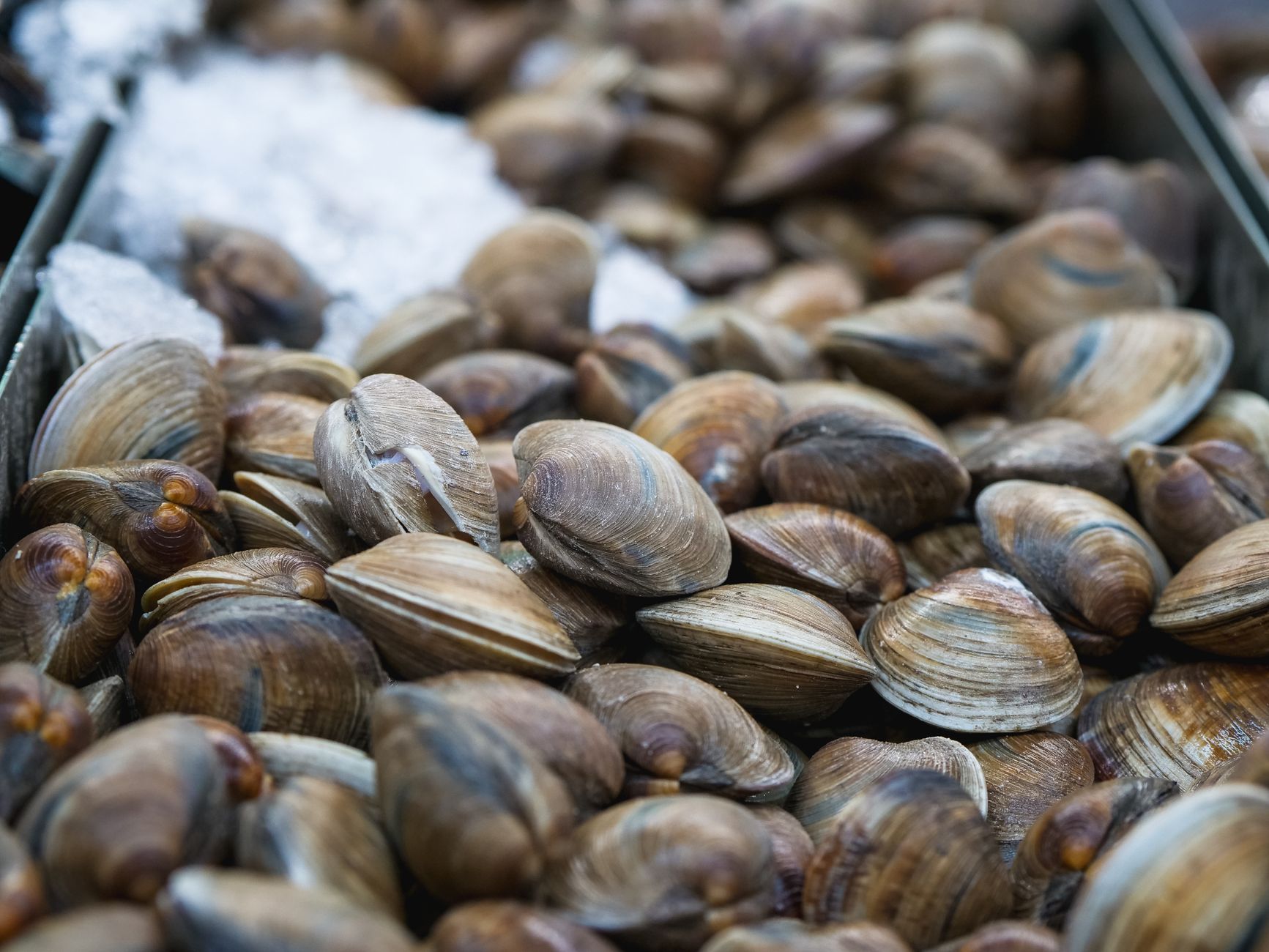
Looking at oysters vs clams on price, clams usually win for affordability and availability. Clams tend to be farmed and wild-caught across many regions, making them accessible year-round. Oysters, while cultivated, often command higher prices due to their labor-intensive farming and regional distinctionseastern oysters from the U.S. East Coast or Pacific oysters from the West Coast vary widely in cost.
On average, you might expect to pay about 20-30% more for oysters compared to clams, which can matter when feeding a crowd. Plus, clams come in various sizes and packaging formats, allowing for flexible budgeting.
Where to Buy Fresh Oysters and Clams for Your Shellfish Cookout
- Trusted fish markets with high turnover ensure fresh shellfish.
- Some Halal-certified vendors specialize in traceable, certified seafoodlook for JAKIM or IFANCA logos.
- Supermarkets with refrigerated seafood sections usually stock clams year-round.
- Always check that oysters and clams are stored on ice or in chilled displays to maintain freshness.
| Certification | Price Range (per lb) | Common Formats | Shelf Life | Key Allergens |
|---|---|---|---|---|
| JAKIM, IFANCA Halal | Oysters: $12$25 Clams: $8$15 | Live in shell, shucked fresh, frozen | Live: 35 days refrigerated Frozen: 612 months | Shellfish allergy |

Cooking Methods
How to Grill Oysters Without Overcooking or Losing Flavor
Grilling oysters is a great way to bring out their natural briny characteristics while adding subtle smoky notes. Start by preheating your grill to medium-high heat (around 375F or 190C). Arrange the oysters cup side down on the grill grates. Close the lid and cook for about 57 minutes until the oysters just begin to openno more than this to avoid rubbery texture.
Add flavorful toppings like a squeeze of lemon, garlic butter, or a sprinkle of finely chopped herbs once opened. Serve immediately for the best flavor.
Best Ways to Cook Clams for a Summer Shellfish Feast
Clams are incredibly versatile. Steaming is the most common methodadd 1 cup of white wine or broth to a pot with clams, cover, and steam over medium heat for 5 to 8 minutes until shells open. Discard any unopened clams.
Baked clams with seasoned breadcrumbs or grilled clams on half shells are also crowd-pleasers. Just be careful not to overcook, as clams become tough quickly. Always cook until shells are fully open to ensure safety.

Simple Shellfish Cookout Recipes Featuring Oysters and Clams
| Recipe | Main Ingredients | Prep Time | Cook Time |
|---|---|---|---|
| Grilled Garlic Butter Oysters | Oysters, garlic, butter, parsley, lemon | 10 minutes | 7 minutes |
| Steamed Clams with White Wine | Clams, white wine, garlic, shallots, parsley | 5 minutes | 8 minutes |
| Baked Clams with Parmesan | Clams, breadcrumbs, Parmesan, garlic, butter | 15 minutes | 12 minutes |
Health Benefits and Risks
Nutritional Comparison: Vitamins, Minerals, and Protein Content
Oysters and clams both pack impressive nutrition. According to the USDA FoodData Central, oysters provide roughly 9 grams of protein and 80 calories per 100 grams serving, packed with zinc, vitamin B12, and iron. Clams offer about 14 grams of protein and 140 calories per 100 grams, with high vitamin C, iron, and omega-3 fatty acids.
Both shellfish are low in fat and cholesterol, making them heart-healthy choices within a balanced diet.
Common Allergies or Sensitivities Linked to Oysters and Clams
Shellfish allergies are one of the most common food sensitivities. People allergic to mollusks like oysters or clams must avoid consumption altogether, as reactions can range from mild hives to severe anaphylaxis. Cross-contamination risks in seafood markets mean those with allergies should buy carefully from certified vendors.
How to Reduce Risks of Foodborne Illness With Proper Shellfish Handling
- Keep oysters and clams refrigerated at or below 4C (39F).
- Consume live shellfish within 35 days of purchase.
- Discard any shells that remain open before or after cooking.
- Only buy from vendors with clear Halal certification if religious dietary laws apply (e.g., JAKIM or HMC logos).
Final Decision
Choose Based on Preferences and Menu
When picking between oysters vs clams, think about your guests and what fits your menu. If your crowd likes bold, fresh ocean flavors and you want an impressive appetizer, oysters are a showstopper. If you want mild, versatile shellfish that blend into hearty recipes or crowd-pleasing dishes, clams are a solid choice.
Pros and Cons Summary Table
| Aspect | Oysters | Clams |
|---|---|---|
| Flavor | Intense, briny, mineral-rich | Mild, sweet, subtle |
| Price | Higher-priced, seasonal | More affordable, widely available |
| Cooking | Best grilled or raw; delicate timing | Steamed, baked, grilled; versatile |
| Health | Rich in zinc and vitamin B12 | High protein and vitamin C |
| Allergy Risk | Shellfish allergen; cross-contamination | Similar allergen concerns |
Wondering what drinks pair perfectly with your cookout? Try pairing your seafood selections with refreshing beverages from our curated list, or up your sandwich game with ideas inspired by the Best grilled cheese combinations.
Is Oysters vs Clams Actually Halal What Should I Check?
Shellfish like oysters and clams are generally considered halal by many Islamic scholars, but interpretations vary. To be certain, look for certifications from JAKIM, HMC, or IFANCA on packaging or from your seafood vendor. These bodies ensure that the harvesting, handling, and processing meet halal standards and avoid contamination with non-halal substances.
When Is the Best Time to Eat Oysters or Clams?
The traditional guideline is to eat oysters and clams in months with an R (September through April) when waters are cooler and shellfish are less likely to carry bacteria. However, farmed shellfish and modern refrigeration make safe consumption year-round possible, provided you buy fresh and handle properly.
How Do I Know If My Shellfish Is Fresh?
Fresh oysters and clams should have closed shells or close tightly when tapped. They must smell clean and briny, never fishy or sour. Avoid cracked or dry shells. When shucked, the meat should look plump and moist. Always buy from trusted suppliers who rotate stock regularly.
Can I Freeze Oysters and Clams to Extend Shelf Life?
Yes, you can freeze both oysters and clams, but their texture changes after thawing. For best results, shuck and freeze the meat in airtight containers for up to 6 months. Live shellfish freeze poorly. Thaw in the refrigerator overnight before cooking.
Are There Common Cooking Mistakes I Should Avoid?
Overcooking is the most common errorit makes oysters rubbery and clams tough. Always cook until just opened. Also, never eat shellfish with shells unopened after cooking; they indicate unsafe seafood. Rinse clams briefly under cold water to remove any grit before cooking.
What Are the Key Nutritional Differences Between Oysters and Clams?
Oysters contain more zinc and vitamin B12, essential for immunity and brain health. Clams have higher protein and vitamin C, crucial for tissue repair and antioxidant support. Both offer healthy omega-3 fats and minerals like iron but in slightly different amounts.
How Can I Safely Handle Shellfish to Avoid Illness?
Keep shellfish cold at all times, consume within 35 days of purchase, and discard any with open shells before or after cooking. Wash hands and utensils thoroughly after contact. Cook oysters and clams to at least 63C (145F) internal temperature when not eating raw.
Pro Tips for Choosing and Cooking Shellfish
- Never buy cheap, off-brand oysters or clams; low cost often means low freshness.
- When grilling oysters, use indirect heat to avoid drying out the delicate meat.
- For clams, soaking in salted water for 20 minutes before cooking helps expel sand.
- Pair oysters with citrus or tangy sauces to balance briny flavors.
- Be mindful of cross-contamination if preparing multiple types of seafood or other proteins.
More You Might Like
Craving a casual meal after your shellfish feast? Check out the Jack in the box menu for quick, halal-friendly options with lots of flavor.
For a comforting cooking project, explore our tips on the Best grilled cheese sandwiches to add a cheesy twist to your snack time.
Conclusion
Oysters vs clams each bring unique flavors, cooking styles, and nutritional benefits to your table. Whether you lean toward oysters bold brininess or clams mild sweetness, understanding these differences makes your seafood choices easier and more enjoyable. Next time you shop, keep freshness, certification, and your menu in mind. Ready to try something new? Pick one, cook it well, and savor every bite. Wed love to hear your favorite shellfish stories or recipes, so dont hesitate to share!
FAQs
Is oysters vs clams actually Halal — what should I check on the label?
Shellfish like oysters and clams are generally considered halal by many Islamic scholars, but views vary. Check for certifications from bodies like JAKIM, HMC, or IFANCA to ensure harvesting, handling, and processing meet halal standards and prevent contamination with non-halal substances.
When is the best time to eat oysters or clams?
The traditional rule is to eat oysters and clams in months with an "R" (September through April) when waters are cooler, reducing bacterial risks. However, farmed shellfish and modern refrigeration allow safe year-round consumption if fresh and properly handled.
How long do oysters and clams stay fresh after opening?
Live oysters and clams should be consumed within 35 days if kept refrigerated below 4°C (39°F). Once shucked, consume seafood promptly, ideally within 1–2 days, to maintain freshness and minimize food safety risks.
What are the main differences between oysters and clams?
Oysters have a strong briny, mineral-rich flavor and are often eaten raw or grilled, while clams are milder, sweeter, and versatile for steaming or baking. Nutritionally, oysters offer more zinc and vitamin B12; clams contain higher protein and vitamin C.
Where is the best place to buy fresh oysters and clams?
Buy from trusted fish markets with high turnover or supermarkets with refrigerated seafood sections. Look for vendors with clear halal certification if needed, ensure shellfish are kept on ice or chilled, and check for tightly closed shells to ensure freshness.