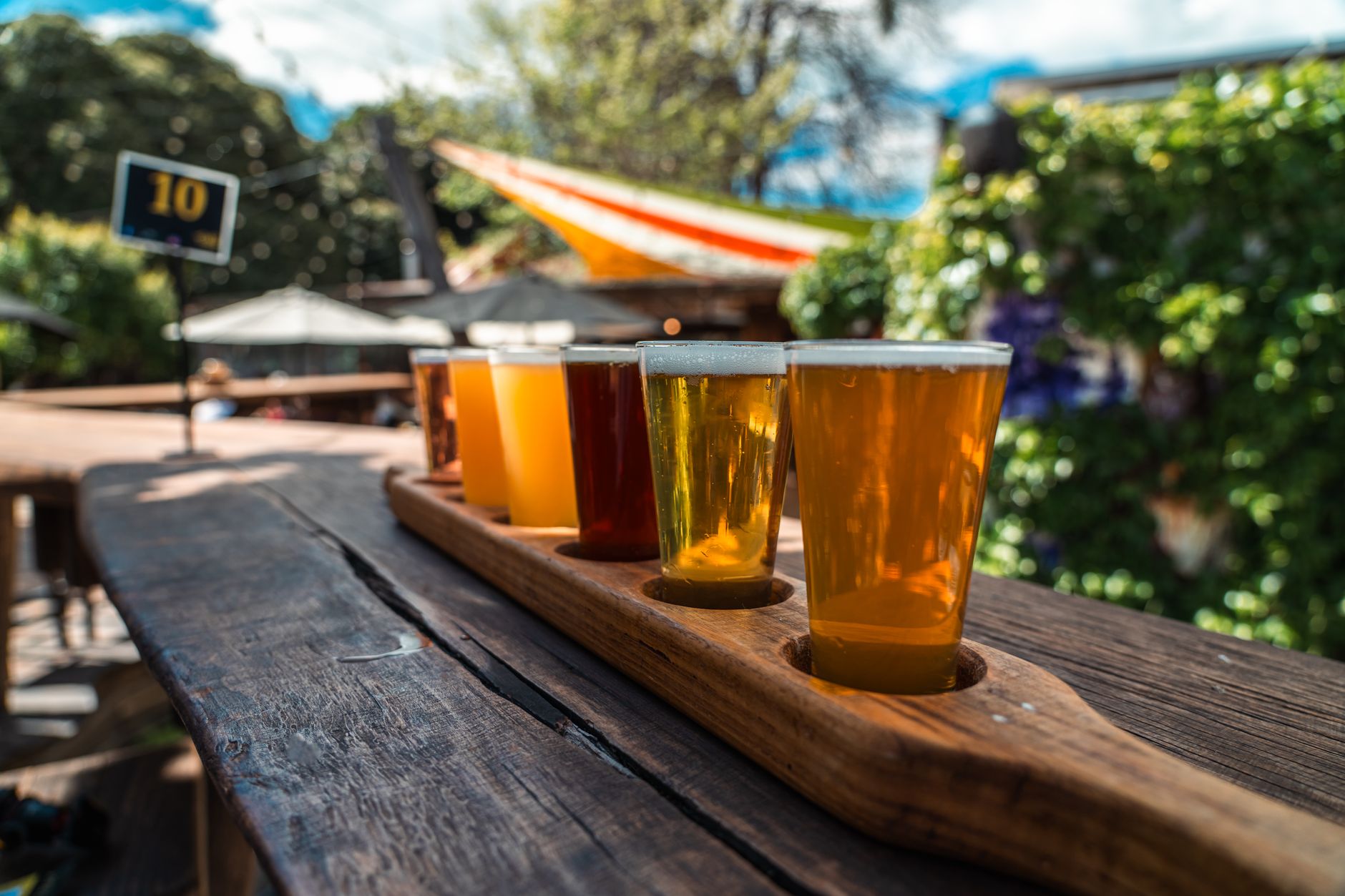
If youve ever wondered whether you can freeze beer, youre not alone. The short answer is yesyou can freeze beer, but it comes with some surprising effects you should know about first. Freezing beer affects its taste, texture, and carbonation, so its not as straightforward as popping it in the freezer like water or juice. Whether you want to chill beer faster, store it longer, or experiment with frozen beer treats, understanding the science and best practices is key.
Freezing Beer Basics
What Happens When You Freeze Beer?
Beer doesnt freeze the same way water does because of its alcohol content. Most beers have between 4%7% alcohol by volume (ABV), which lowers the freezing point compared to pure water. Typically, beer freezes around -2C to -3C (28F to 27F), depending on the exact alcohol percentage and other ingredients.
When beer freezes, the water in it forms ice crystals, but the alcohol and some dissolved compounds remain liquid. This separation can affect the beers flavor and texture. Carbonation often suffers too: the freezing process forces carbonation out of the liquid, causing beer to become flat once thawed. You might notice a change in mouthfeel and a dulling of delicate flavors.
According to brewing science, freezing also risks bottle breakage due to liquid expansion, especially in glass containers. This is why freezing beer requires caution, whether you want an extremely cold drink or are storing beer for later.

Can All Types of Beer Be Frozen?
Not all beers freeze the same way. Light lagers and pale ales, with their lower alcohol content and milder flavors, may handle freezing better than robust stouts or IPAs. Higher alcohol beerslike strong ales or barley winesfreeze at lower temperatures and are less likely to freeze solid in a typical home freezer.
Some beer styles contain more residual sugars or unfermented malt, which can change freezing points and texture after thawing. For example, stouts with roasted malts or craft beers with added fruit or spices might develop unusual flavors or appear hazy once thawed.
Brewers and beer enthusiasts sometimes share personal experiences of freezing different types. Many find freezing a cheap lager acceptable if you just want it super cold quickly. However, freezing a favorite craft beer might spoil the flavor and texture you originally enjoyed.
Freezing and Storing Beer
Step-by-Step Guide to Freezing Beer Safely
- Use plastic containers or cans: Glass bottles may crack or explode due to liquid expansion during freezing. If you must freeze bottled beer, transfer it to a sturdy plastic container leaving enough headspace for expansion.
- Set your freezer temperature properly: Keep your freezer around -18C (0F) but check periodically to avoid leaving beer too long.
- Freeze for short periods: 12 hours is usually enough to chill beer rapidly without freezing solid. Expect full freezing to take 45 hours or more depending on volume.
- Monitor for expansion: Leave about 20% space in the container to prevent bursting or leaks.
- Defrost slowly: To preserve flavor, thaw beer gradually in the fridge rather than at room temperature.
Following these steps will reduce risks of bottle damage and flavor loss, making freezing a practical option if done carefully.
Alternatives for Safe Beer Storage
If freezing seems risky, try these alternatives to keep your beer fresh and enjoyable:
- Store beer in a cool, dark place between 4C and 12C (39F to 54F). This slows aging while preserving taste.
- Refrigerate beers ready to drinkmost lagers and ales remain freshest between 2C and 6C (36F to 43F).
- Avoid exposure to sunlight or heat, which degrade flavor quickly.
- For opened beer, keep refrigerated and consume within 12 days to avoid flatness.
Proper storage beats freezing for maintaining quality over extended periods.
Freezing Beer vs. Other Alcoholic Drinks
| Drink | Typical Alcohol % | Freezing Point | Impact of Freezing |
|---|---|---|---|
| Beer | 4%7% | ~ -2C to -3C | Flatness, texture changes, bottle risk |
| Wine | 12%15% | ~ -5C | Flavor dulling, color changes |
| Spirits (Vodka, Whiskey) | 40% or higher | Below -20C | Generally wont freeze; thicker texture possible |
| Cocktails | Varies | Varies | Depends on ingredients; some form slush |
While beer freezes near typical household freezer temperatures, spirits usually remain liquid. Cocktails like the Miami vice cocktail may partially freeze depending on their alcohol mix and ingredients.
Pros and Cons
Benefits of Freezing Beer
- Rapid chilling: Freeze beer for 4590 minutes to chill faster than fridge cooling alone.
- Novelty: Frozen beer slushies or ice cubes add a fun twist to drinks.
- Emergency storage: Brief freezing can slightly extend shelf life if refrigeration is unavailable.
Risks and Downsides
- Bottle explosions: Glass containers can crack or shatter from ice expansion.
- Flavor loss: Freezing dulls subtle beer flavors and aromas.
- Carbonation loss: Flat beer with less fizz once thawed.
- Texture changes: Beer may become cloudy or grainy.
Real Experiences
Beer lovers often warn about freezing prized craft beers, while others who froze cheap lagers report quick refreshing chills were perfect. Experts suggest freezing no more than once and only for short durations to avoid damaging beer quality.

Creative Uses for Frozen Beer
Cooking with Frozen Beer
Frozen or partially frozen beer can be a kitchen ally. Use it to marinate meats, where the ice crystals help tenderize while adding rich malt flavor. Frozen beer also works well in batters for a lighter, crispier coating on fried foods.
Try this simple marinade: combine 1 cup frozen beer with 2 tablespoons soy sauce, 1 minced garlic clove, and black pepper. Marinate chicken for 2 hours before grilling. The frozen beer melts slowly, ensuring even soaking and unique flavor.
Making Beer Ice Cubes and Frozen Cocktails
Pour beer into ice cube trays and freeze. These beer ice cubes chill drinks without diluting taste. You can also get creative with frozen beer cocktails by mixing beer ice cubes with fruit juices or spirits like in a Dutch bros drink.
Use sealed ice cube trays and freeze for at least 6 hours. When ready, blend with fruits or spirits for refreshing, flavorful drinks perfect for summer.
Is freeze beer safe for Halal diets?
Freezing beer does not affect its Halal status; however, beer itself is generally non-Halal due to alcohol content. When choosing beverages, always check for JAKIM, HMC, or IFANCA certification logos to confirm Halal compliance, especially if selecting malt beverages or non-alcoholic alternatives.
How long can you keep beer frozen?
Beer can be frozen for up to one month safely without severe quality loss, but ideally use it within two weeks. Extended freezing may cause more noticeable flavor and carbonation deterioration.
Can freezing improve beer taste?
Freezing does not improve beer taste but chills it rapidly. Some may find frozen beer slushies enjoyable, yet original flavors often soften or diminish after thawing.
Does freezing affect carbonation?
Yes, freezing forces carbonation out, making beer flat once thawed. To enjoy fizz, drink beer fresh or chilled without freezing.
Is freezing better than refrigeration for storage?
Refrigeration is superior for preserving beer taste, aroma, and carbonation over time. Freezing is useful mainly for quick chilling or specific uses, not long-term storage.
What container is safest for freezing beer?
Plastic containers or thick freezer-safe bottles with ample headspace are safest. Avoid glass to prevent cracking or bursting from liquid expansion during freezing.
Can you freeze non-alcoholic beer?
Non-alcoholic beers freeze similarly to light beers, with slightly higher freezing points. They may freeze solid if left too long, so apply same freezing limits.
Pro Tips for Freezing Beer
- Freeze beer only once. Repeated freezing and thawing damage flavor and carbonation quickly.
- Dont fill containers fully; leave 2025% space for liquid expansion during freezing.
- Use the freezer just long enough to chill if you want to avoid freezing completely.
- For experiments, try freezing craft beers in small batches to test flavor changes first.
More You Might Like
Discover the tropical blend of flavors in the Miami vice cocktail, a great summer refresher with a Halal-friendly twist.
Learn about the popular Dutch bros drink, perfect for iced coffee lovers looking for halal-certified options that deliver bold flavor.
Conclusion
You can freeze beer, but it changes the taste, carbonation, and texture. With careusing proper containers and limited freezing timeyou can chill beer quickly or create fun frozen treats. For storage, refrigeration remains the best way to keep your beer fresh. Next time you shop, check the label and certification if Halal compliance matters to you. And if you try freezing beer, share your experience with friends or leave a comment below.
FAQs
Is freeze beer actually Halal — what should I check on the label?
Freezing beer does not change its Halal status. Since beer contains alcohol, it is generally considered non-Halal. To ensure Halal compliance, look for certification logos such as JAKIM, HMC, or IFANCA, especially when choosing malt beverages or non-alcoholic alternatives.
How long can you keep beer frozen without losing quality?
Beer can be safely frozen for up to one month, but for best flavor and carbonation, use it within two weeks. Longer freezing may lead to more noticeable changes in taste and texture.
What is the main difference between freezing beer and refrigerating it?
Refrigeration preserves beer’s taste, aroma, and carbonation over time, while freezing mainly chills beer faster but can cause flavor dulling, carbonation loss, and texture changes. Freezing is best for quick chilling or creative uses, not long-term storage.
Is it safe to freeze beer daily or repeatedly?
Freezing beer repeatedly is not recommended as it damages flavor and carbonation quickly. Freeze beer only once to minimize quality loss and avoid texture changes or flatness after thawing.
Where can I buy beers suitable for freezing or Halal-certified malt beverages?
Beers suitable for freezing, such as light lagers, are available at most supermarkets and liquor stores. For Halal-certified malt beverages, check specialty stores or online retailers offering products with proper Halal certification.