You grab a box from the freezer aisle, hoping for a quick dinner that tastes decent. But many frozen pizzas deliver disappointment soggy crusts, artificial flavors, and questionable ingredients. For Halal-conscious shoppers, theres an extra layer: verifying certification and avoiding hidden non-Halal components. This guide helps you spot the worst offenders and make smarter choices.
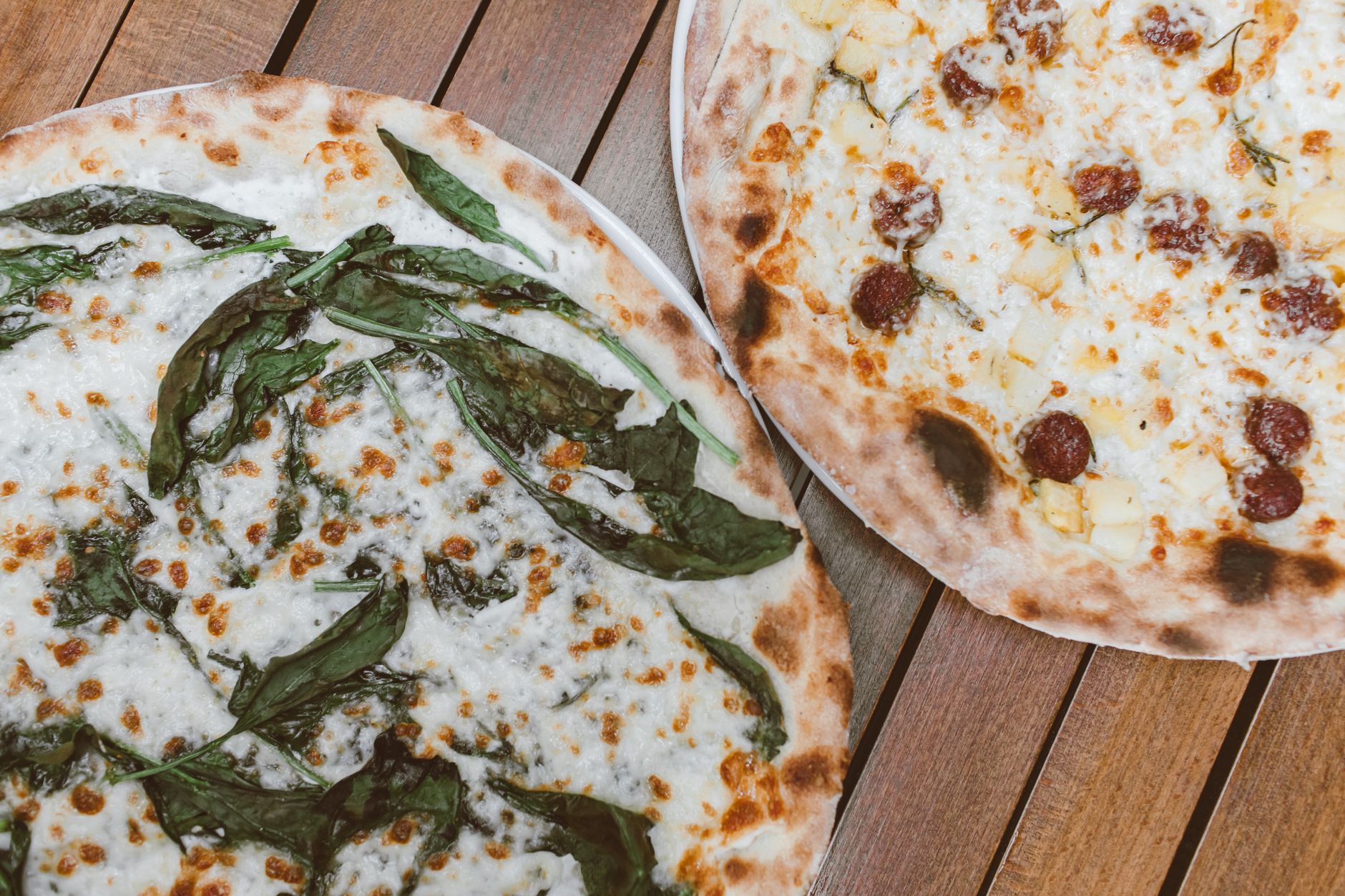
Why You Should Be Careful When Choosing Frozen Pizzas
What Makes Some Frozen Pizzas a Poor Choice?
Many frozen pizzas rely on cheap fillers, high sodium levels, and artificial preservatives to extend shelf life. You might see hydrogenated oils, MSG, or natural flavors that can mask non-Halal ingredients like rennet or alcohol-based extracts. According to the USDA FoodData Central, a single slice can contain up to 700mg of sodium nearly a third of your daily limit. Texture suffers too, with crusts turning into cardboard or soggy messes after baking.
Are All Frozen Pizzas Bad?
No. Some brands prioritize clean labels, whole ingredients, and certified Halal production. The key is knowing what to look for on the box. A well-made frozen pizza can be a convenient, satisfying meal when youre short on time but you have to filter out the duds.
Top 10 Frozen Pizzas to Avoid (Brands & Products)
These brands consistently appear on consumer complaint lists for taste, nutrition, or ingredient quality. For Halal shoppers, most also lack proper certification or contain questionable additives.
Newmans Own
Despite a charitable mission, Newmans Own pizzas often contain high sodium (over 800mg per serving) and unspecified natural flavors that may include alcohol-based extracts. No Halal certification is publicly available. The crust tends to be dense and bland.
Home Run Inn
This brand markets a Chicago-style experience, but reviews frequently mention a greasy, oily finish. The cheese blend sometimes includes microbial rennet, which is acceptable for Halal if sourced from non-animal origins but the company does not label it clearly. Price is high for the quality received.
Bettergoods
Walmarts private label line promises better ingredients, yet many variants contain modified corn starch and preservatives like calcium propionate. No Halal certification. The crust often turns out chewy rather than crisp.
Good & Gather
Another store brand (Target) that looks healthy on the front but hides artificial smoke flavor and dextrose in the ingredients list. Sodium levels hover around 750mg per serving. Halal status is unverified.
Great Value
Walmarts budget option is cheap around $3 per pizza but you pay with nutrition. Each slice has around 300 calories, 10g of saturated fat, and 820mg of sodium. The ingredient list includes enzyme modified cheese and soy lecithin, with no Halal oversight.
Jacks
Jacks uses a frozen dough that often bakes unevenly, leaving a raw center or burnt edges. The pepperoni contains sodium nitrite and unspecified spices that could include non-Halal alcohol. Consumer Reports consistently ranks it low in taste tests.
Tonys
Tonys pizzas are known for a thick, bready crust that absorbs grease. The cheese is processed, and the sauce tastes overly sweet from added sugar. No Halal certification. Many reviews mention a plastic aftertaste from the packaging.
Kirkland Signature
Costcos brand offers large pizzas at a reasonable price, but the crust is often described as biscuit-like and dry. The ingredient list includes cultured wheat flour and enzymes, which may be animal-derived. Without clear Halal certification, its a gamble.
Red Baron
Red Barons Classic Crust pepperoni pizza contains 830mg of sodium per slice and uses spice extractives that could be alcohol-based. The cheese blend often separates during baking, leaving pools of oil. Its a staple in many freezers, but not a quality choice.
Totinos
Totinos party pizzas are ultra-processed the crust is a cracker-like base made with enriched flour, sugar, and soybean oil. The topping contains mechanically separated chicken and pork (in non-Halal versions). Even the cheese product is not real mozzarella. Avoid completely.

How to Spot a Frozen Pizza Worth Buying (Expert Tips)
What to Look for on Labels
Reading a frozen pizza label is like detective work. Start with the ingredient list if you see words like hydrolyzed soy protein, disodium inosinate, or natural flavors without source clarification, be cautious. Look for a recognized Halal logo: JAKIM, IFANCA, HMC, or an equivalent certification body. Check sodium content aim for under 600mg per serving. Also scan for enzymes or rennet microbial rennet is Halal, animal rennet is not unless from Halal-slaughtered animals. Ignore buzzwords like all natural or artisan they are not regulated.
Here is a quick-reference checklist for your next shopping trip:
| Certification | Price Range | Common Formats | Shelf Life | Key Allergens |
|---|---|---|---|---|
| JAKIM, IFANCA, HMC | $4 $12 per pizza | Individual, family size, thin crust, stuffed crust | 612 months (frozen) | Wheat, milk, soy, occasionally eggs |
Taste vs. Convenience: Finding Your Sweet Spot
You dont have to sacrifice flavor for speed. Brands like frozen pizzas from Palermos (look for their Halal-certified lines) or Amys Kitchen (vegetarian, often Halal-friendly) offer solid taste with cleaner ingredients. If you want a crisp crust, choose a thin-crust style and bake directly on the oven rack. For a chewier base, go with a traditional hand-tossed style and use a preheated baking sheet.
Reading Frozen Pizza Reviews: What Really Matters
Customer reviews are useful but filter out emotional language like gross or amazing. Focus on specific comments about crust texture, sauce acidity, cheese melt, and whether the pizza lives up to its Halal claims. Look for reviewers who mention checking the certification that shows they valued the same priorities you do.
Should You Avoid Frozen Pizza Completely? Pros and Cons
Benefits of Frozen Pizza
Convenience is the biggest draw a frozen pizza can go from freezer to table in 1520 minutes. Its also cost-effective, especially for feeding a family. Portion control is easier than ordering delivery because you see the slice count upfront. And when you choose a certified Halal brand, you avoid cross-contamination risks common in pizzerias.
Risks to Consider
The downsides include high sodium, unhealthy fats (often palm oil or hydrogenated oils), and low fiber content. Many frozen pizzas also contain additives that may not be Halal, such as alcohol-based vanilla extract in the sauce or L-cysteine (often from human hair or duck feathers) in the dough. Always verify before buying.
Alternatives to Consider
If youre wary of frozen options, try a quick homemade pizza using a pre-made Halal crust or flatbread. Spread tomato sauce, add shredded mozzarella (check for microbial rennet), and your choice of Halal pepperoni or vegetables. Bake at 220C for 1012 minutes. For more ideas, explore our Anchovy paste recipes they make a savory umami topping that pairs beautifully with pizza. And if youre cleaning up your freezer, read our guide on frozen meals to avoid for broader advice.
Is frozen pizza actually Halal what should I check?
Yes, many frozen pizzas can be Halal, but you must confirm three things: the meat toppings (pepperoni, sausage, etc.) come from Halal-slaughtered animals; the cheese uses microbial rennet or vegetable rennet; and the dough contains no alcohol-based enzymes or L-cysteine. Look for a certification logo from JAKIM, IFANCA, or HMC. If you dont see one, contact the manufacturer directly.
What if the label says natural flavors is that a problem?
It depends. Natural flavors can include alcohol-based extracts or animal-derived compounds. For Halal assurance, choose brands that break down their flavor sources or have certification. If in doubt, avoid the product. Some companies, like Saffron Road, list their flavors as non-GMO and Halal-certified.
Are any of the 10 listed brands ever Halal-certified?
To our knowledge, none of the ten brands mentioned above (Newmans Own, Home Run Inn, Bettergoods, Good & Gather, Great Value, Jacks, Tonys, Kirkland, Red Baron, Totinos) hold publicly listed Halal certification as of 2025. Always double-check certification can change but currently they are not safe bets for Halal shoppers.
How can I tell if a pizza contains pork or alcohol?
On the ingredient list, look for pepperoni, sausage, ham, or bacon these are likely pork unless specified otherwise (e.g., beef pepperoni). For alcohol, check for vanilla extract, natural wine, or alcohol in the sauce or crust. Most conventional brands do not use alcohol, but some gourmet varieties do.
Is the cheese on frozen pizzas always Halal?
No. Cheese often uses rennet, which can be animal-derived or microbial. If the label says rennet without specifying vegetable or microbial, its likely from calves. Halal-certified cheeses will clearly state microbial rennet or show a certification logo. Mozzarella from brands like Galbani or Kraft is not certified Halal, while brands like Arla or Almarai offer Halal options in some regions.
Whats a safe price range for a good Halal frozen pizza?
Expect to pay between $6 and $12 per pizza for a quality, certified Halal product. Budget options under $4 are almost never certified and often use cheap fillers. Premium brands like Saffron Road or Palermos Halal line fall in the $810 range and deliver better taste, cleaner labels, and verified sourcing.
Where can I find Halal-certified frozen pizzas?
Check the frozen section at specialty Halal grocers, Whole Foods, or online retailers. Look for brands like Saffron Road, Palermos (Halal line), or Cedarland. In Malaysia, look for local brands with JAKIM certification. Always scan the box for the logo dont rely on the stores signage alone.

Pro Tips for Buying Frozen Pizza
Most overlooked mistake: Choosing a pizza based solely on the front packaging image. The photo is often embellished real pizzas rarely look that generous. Turn the box over and read the weight (in grams) of the toppings. A pizza with 6g of pepperoni per slice is skimpy; look for at least 10g per slice for a balanced bite.
Why cheap versions disappoint: Low-cost frozen pizzas save money by using more dough and less topping, plus cheaper oils that dont brown well. The result is a pale, greasy pizza. Spending two extra dollars often gets you real mozzarella, better sauce, and a crust that crisps.
Expert tip: Always preheat your oven for at least 15 minutes before baking frozen pizza. Place the pizza directly on the middle rack (not on a pan) for the crispiest bottom. If your pizza tends to get soggy, bake it on a preheated cast iron skillet the retained heat creates a restaurant-quality crunch.
More You Might Like
If you enjoyed this guide, you might appreciate our breakdown of frozen meals to avoid a broader look at freezer pitfalls beyond pizza. And for a unique topping twist, try our Anchovy paste recipes to elevate your homemade pizzas with deep umami flavor.
Conclusion
Not all frozen pizzas are created equal some save you time but waste your money and compromise your dietary standards. By reading labels, checking for Halal certification, and avoiding the ten brands listed here, you can enjoy a convenient meal that respects your values. Next time youre at the freezer aisle, flip that box over and look beyond the picture. Your taste buds and your health will thank you.
FAQs
Is frozen pizzas actually Halal — what should I check on the label?
Yes, many frozen pizzas can be Halal if you verify three things: meat toppings must come from Halal-slaughtered animals, cheese must use microbial or vegetable rennet, and dough should contain no alcohol-based enzymes or L-cysteine. Look for a recognized Halal certification logo such as JAKIM, IFANCA, or HMC. If no logo appears, contact the manufacturer directly for confirmation.
How long can I store an opened frozen pizza in the freezer?
Once you open the box, keep the pizza in its original wrap or an airtight freezer bag. It will remain safe to eat until the printed expiration date (typically 6–12 months from production). For best quality, consume within 1–2 months after opening to avoid freezer burn and texture loss.
What is the main difference between frozen pizza and homemade pizza for Halal shoppers?
Homemade pizza gives you full control over ingredients: you can choose Halal-certified meats, microbial-rennet cheese, and alcohol-free dough. Frozen pizza offers convenience but often contains ambiguous additives like natural flavors or enzymes. Homemade takes 20–30 minutes, while frozen takes 15–20 minutes. The trade-off is ingredient certainty versus speed.
Is it safe to eat frozen pizza every day?
Eating frozen pizza daily is not recommended due to high sodium, saturated fat, and low fiber. A single slice can contain up to 800mg of sodium, nearly half your daily limit. Frequent consumption may contribute to high blood pressure and weight gain. Enjoy frozen pizza occasionally, and balance it with fresh vegetables and whole grains.
Where can I buy Halal-certified frozen pizzas?
Look in the frozen section of specialty Halal grocery stores, Whole Foods, or online retailers like Amazon. Trusted brands include Saffron Road, Palermo’s Halal line, and Cedarland. Always scan the package for a clear Halal certification logo (JAKIM, IFANCA, HMC). Do not rely only on store signage; verify the box itself.