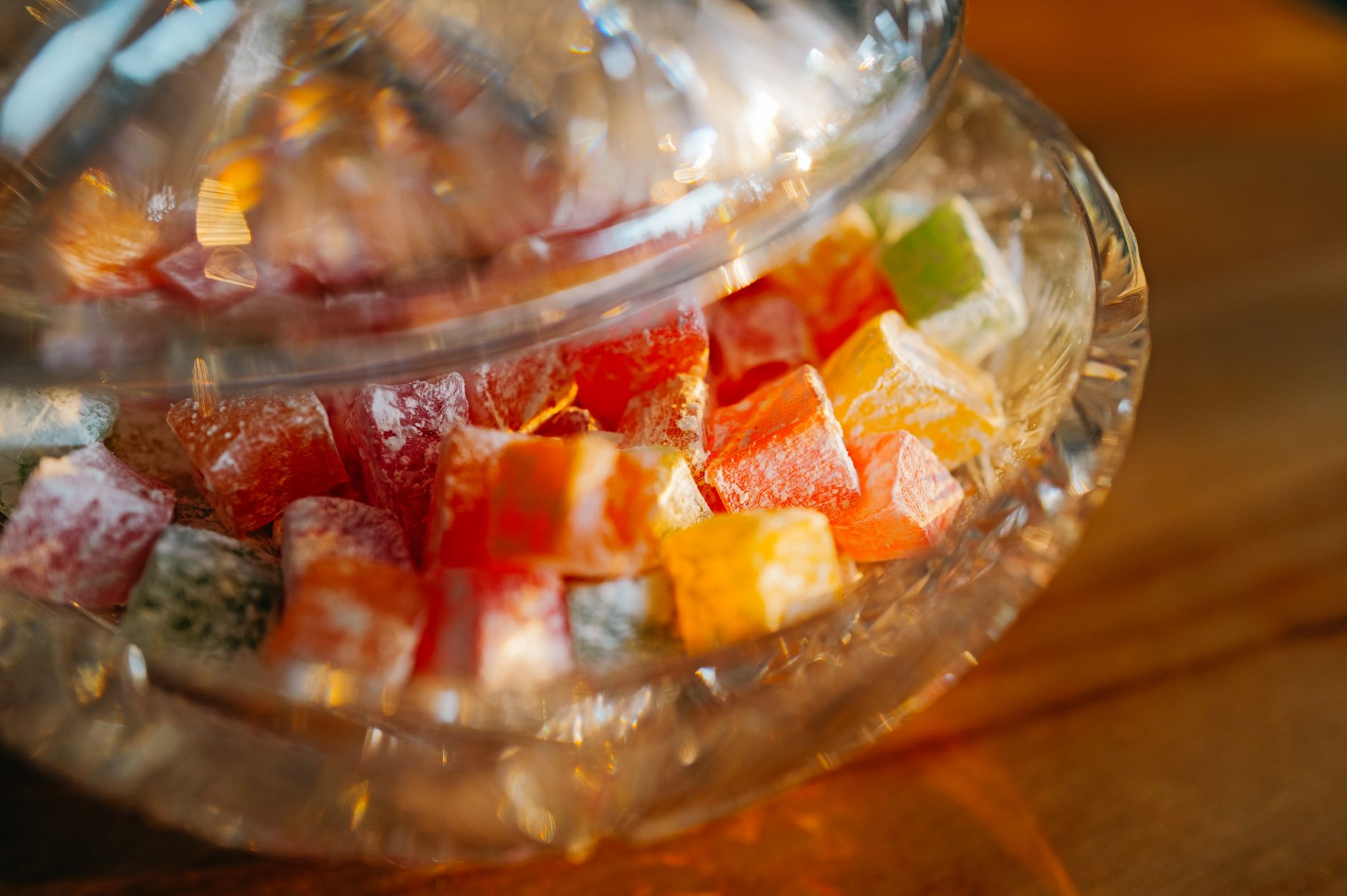
If you love indulging in chocolate bars, choosing the right one means more than just craving sweetness. For health-conscious and Halal-certified options, reading labels and understanding quality signals is key. Whether you prefer creamy milk chocolate or bold dark chocolate, selecting a bar that fits your lifestyle and dietary needs ensures you enjoy every bite with peace of mind.
Choosing Quality Chocolate
What to Look For on Labels
Reading a chocolate bar label carefully helps you spot quality and Halal assurance at once. Halal certification logos like JAKIM, HMC, or IFANCA confirm the product meets strict religious guidelines. Be sure the logo is clearly visible on the packaging.
Ingredients are listed in descending order by weight. Aim for chocolate bars where cocoa mass or cocoa liquor is among the first three ingredients. This indicates the chocolate is rich in cocoa solids, contributing to intense flavor and health benefits. Avoid bars with excessive artificial additives or hydrogenated oils, which can compromise purity and texture.
Check sugar levels carefully. A chocolate bar containing more than 30 grams of sugar per 100 grams is quite sweet and may overpower the cocoa flavor. Health-conscious buyers often prefer bars with 50% or higher cocoa content, as these tend to have less sugar and more antioxidants.
Allergens such as nuts, soy lecithin, or dairy are common in chocolate bars. If you have allergies, verify the allergen statements and cross-contamination warnings.
| Certification | Price Range | Common Formats | Shelf Life | Key Allergens |
|---|---|---|---|---|
| JAKIM, HMC, IFANCA | $1.50 - $5 per bar | Standard bars, miniatures, filled bars | 12 - 18 months unopened | Milk, nuts, soy |
Quality Signals to Watch For
A quality chocolate bar has a smooth, glossy surface rather than a matte finish. This indicates proper tempering, which affects mouthfeel. The snap sound when broken should be clean and sharp, not crumbly. Halal-safe chocolates often disclose their ethical sourcing practices openlylook for messaging about fair trade or sustainable cocoa farming.
Price can be an indicator but isn‘t always definitive. Extremely inexpensive bars often use low-quality cocoa and fillers. If you want a reliable treat, mid-range prices usually offer a good balance of taste and certification trust.
Top 20 Chocolate Bars Ranked
Ranking chocolate bars means balancing flavor, texture, ingredients, and availability. Here is a trusted list you can trust, especially if Halal certification and health consciousness matter to you.
20. Sprinkles Milk Chocolate
This bar offers a creamy, velvety milk chocolate flavor without overwhelming sweetness. Its perfect for newcomers to quality chocolate bars. Made with clean-label ingredients, it often carries Halal certification that makes it a safe choice for many consumers.
19. Lilys Sea Salt Extra Dark Chocolate
Sweetened with stevia, this keto-friendly bar balances sharp bitterness with a hint of sea salt. Its low sugar content appeals to those monitoring their sugar intake while still craving chocolate.
18. Ritter Sport Hazelnuts
Crunchy roasted hazelnuts embedded in creamy milk chocolate. The texture is satisfying and natural, with no artificial preservatives. Look for halal logo on packaging to confirm its suitability.
17. Cadbury Dairy Milk
An iconic choice known for its smooth and light milk chocolate taste. Widely available and affordable, but Halal certification may vary by region.
16. Tonys Chocolonely Milk
This brand champions ethical sourcing and slave-free chocolate. Rich milk chocolate with wholesome ingredients and Halal-approved batches in select markets.
15. Hersheys Milk Chocolate
Classic American chocolate bar with sweet, creamy flavor. Check labels carefully, as Halal status can change with manufacturing locations.
14. Lindt Excellence 70% Cocoa
Fine dark chocolate with a velvety texture and nuanced fruity notes. Popular among health-conscious consumers for its antioxidant content and typically Halal-certified in select regions.
13. Ferrero Rocher
Luxurious chocolate and hazelnut confection. Often individually wrapped, with Halal-certified products available. Great for gifting or special treats.
12. Green & Blacks Organic Dark 85%
Intense cocoa flavor with organic ingredients. This bar appeals to purists who want natural, certified organic, and Halal options.
11. Mars Bar
Combines nougat and caramel in milk chocolate. Read packaging for Halal certification status based on manufacturing.
10. Toblerone Swiss Milk Chocolate
Triangular shape filled with honey and almond nougat. The bar is rich but light, with versions available as Halal-certified in specific markets.
9. Galaxy Smooth Milk Chocolate
Soft and creamy, this bar melts quickly on the tongue. Popular in multiple countries, Halal certification depends on production line.
8. Kinder Bueno
A bar with a light wafer shell, creamy hazelnut filling, and milk chocolate coating. Check the Halal logo for assurance in your region.
7. Divine 70% Dark Chocolate
Fair trade, ethically sourced, and rich in cocoa, this bar mixes bold chocolate flavor with a conscience.
6. Valor Dark Chocolate 70%
Spanish brand known for quality dark chocolate bars. Minimal sugar and pure ingredients make it popular with health-conscious buyers.
5. Endangered Species Dark Chocolate 72%
Committed to wildlife causes, this bar has deep, rich flavor with Halal certification in select batches.
4. Guylian Belgian Chocolate Sea Shells
Luxury filled chocolates with a smooth and creamy texture. Choose certified Halal packages for guilt-free indulgence.
3. Ritter Sport Dark Chocolate 70%
Rich, slightly bitter dark chocolate with a compact texture. Known for its quality and traceability, often Halal-certified depending on locale.
2. Lindt Excellence 85% Cocoa
An intense dark chocolate with deep cocoa notes and less sweetness. Perfect for those who prefer a clean, bold chocolate experience.
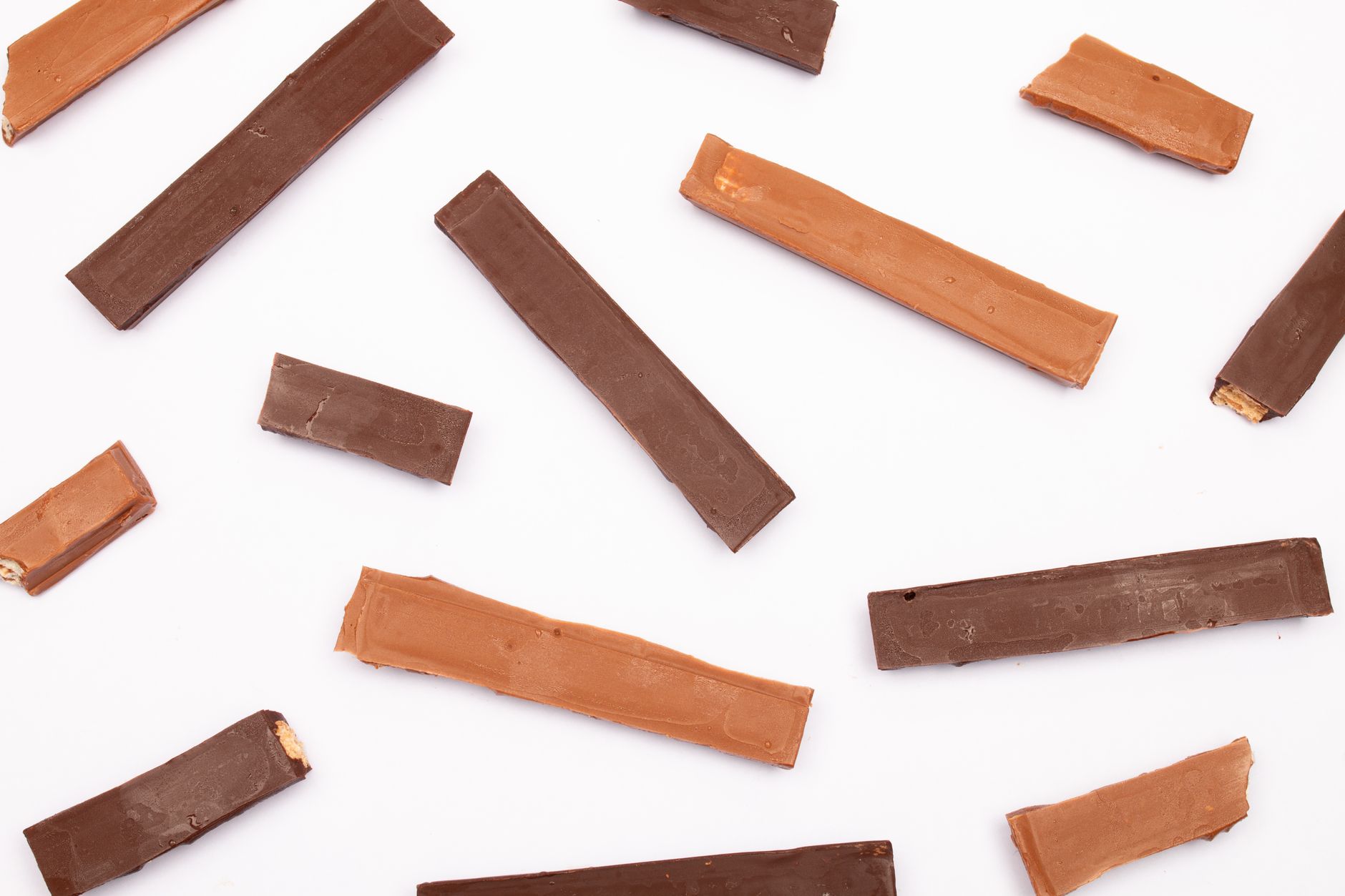
1. Ghirardelli Intense Dark Chocolate
This bar tops the ranking with its rich, velvety texture and a balanced deep cocoa flavor. It features high cocoa percentages, certified Halal options, and is readily available globally. The brands heritage and traceability programs boost consumer trust, making it a favorite among both casual and discerning chocolate lovers.
Popular Chocolate Brands
What Makes a Brand Popular?
Popularity stems from consistent quality, wide availability, taste variety, and the brands approach to ethical and dietary standards. Many consumers today check Halal certifications and sustainable sourcing before buying.
Notable Brands Beyond the List
- Cadbury: Famous for creamy milk chocolate and wide global reach. Look for region-specific Halal certification.
- Hersheys: A staple in American households. Often reassesses ingredients to meet Halal standards.
- Lindt: Offers a premium range with organic and dark chocolates that balance luxury and ethics.
- Ferrero Rocher: Popular for festive gifting and taste appeal with certification in many markets.
- Tonys Chocolonely: Advocates for ethical sourcing and cocoa farmer welfare with distinctive flavors.
Health Benefits and Risks
Health Benefits of Chocolate Bars
Dark chocolate, especially those with 70% or more cocoa, is rich in antioxidants called flavonoids. These help reduce inflammation and support heart health, according to the USDA FoodData Central. Chocolate can also stimulate serotonin production, which improves mood and cognition.
Risks and Considerations
Many chocolate bars have high sugar and fat content, which can contribute to weight gain or raise blood sugar levels if consumed in excess. Allergens such as nuts, soy lecithin, and dairy are common, so always verify the label if you have sensitivities.
How to Enjoy Responsibly
Stick to a serving size of 30 grams per day, which is about a typical mini-bar. Choose bars with fewer than 20 grams of sugar per 100 grams for a healthier balance. Incorporate chocolate as a complement to a balanced diet, not a daily staple.

Is chocolate bars actually Halalwhat should I check?
Look for trusted Halal certification logos like JAKIM (Malaysia), HMC (UAE), or IFANCA (USA) directly on the packaging. Confirm that the production facility adheres to stringent Halal handling guidelines, including no cross-contamination with Haram ingredients like pork derivatives or alcohol.
Which chocolate bars are the healthiest?
Bars with high cocoa content (70% or above) and low added sugar are healthiest. Organic and fair trade certifications add quality assurance. Dark chocolate bars with natural ingredients and no artificial additives are preferable.
How should I store chocolate bars to keep them fresh?
Store bars in a cool, dry place between 1520C (5968F). Avoid humidity above 50% and direct sunlight. Properly sealed, chocolate bars last 1218 months unopened. After opening, keep them in an airtight container and consume within 57 days for best flavor.
Are dark chocolate bars better than milk chocolate?
Dark chocolates generally have higher cocoa solids, less sugar, and more antioxidants. Milk chocolate is sweeter and creamier but contains more sugar and dairy. Dark chocolate offers more health benefits but depends on personal taste preferences.
Can chocolate bars be part of a weight loss plan?
Yes, in moderation. Choose small portions of dark chocolate with 70%+ cocoa to reduce sugar intake. Incorporate chocolate as an occasional treat within calorie goals to avoid overconsumption.
What is the difference between organic and conventional chocolate bars?
Organic bars use cocoa beans grown without synthetic pesticides or fertilizers. These bars often promise cleaner labels and environmentally friendly farming, which appeals to health-conscious consumers and aligns with certain Halal ethical values.
How can I verify Halal certification online?
Visit certification bodies official websites like JAKIM or IFANCA to check product and manufacturer listings. Many brands also provide QR codes linking to certification details on packaging.
Buying Tips and Expert Advice
Most Overlooked Buying Mistake
Choosing chocolate bars solely by brand without verifying Halal logos or ingredient lists is a common error. Always confirm certification, especially when buying online or from less familiar producers.
Why Cheap Versions Disappoint
Inexpensive bars usually cut costs using low-quality cocoa, excessive sugar, and fillers. This compromises flavor, texture, and health benefits, and they might lack proper Halal certification.
Expert Buying Tip
Look for chocolate bars that disclose their cocoa origin and farming practices. Transparent brands with certifications show commitment not only to quality but also to ethical responsibilityimportant in Halal-conscious choices.
For creative seasonal treats, you might enjoy checking out the Halloween candy ranking to discover which sweets meet your dietary needs, or the fun Jell-o rocket pops for a refreshing dessert.
Conclusion
Finding the right chocolate bars means balancing flavor, health, and Halal assurance. Next time you shop, examine the label for certification, ingredient quality, and sugar content. Whether you prefer creamy milk or bold dark chocolate, making informed choices lets you enjoy every bite with confidence. Feel free to share your top picks or ask questions in the comments belowlets keep the chocolate conversation sweet and honest.
FAQs
Is chocolate bars actually Halal — what should I check on the label?
Check for trusted Halal certification logos such as JAKIM, HMC, or IFANCA directly on the packaging. Confirm the product is made in a facility that prevents cross-contamination with Haram ingredients like pork or alcohol.
How long do chocolate bars last after opening?
After opening, store chocolate bars in an airtight container and consume within 5 to 7 days for the best flavor and freshness.
Are dark chocolate bars better than milk chocolate?
Dark chocolate bars generally have higher cocoa solids, less sugar, and more antioxidants, making them healthier. Milk chocolate is sweeter and creamier but contains more sugar and dairy.
Is it safe to eat chocolate bars daily?
Moderation is key. Limit daily intake to about 30 grams, preferably choosing bars with 70% or more cocoa and low sugar to enjoy benefits without excess calories.
Where can I buy Halal-certified chocolate bars?
Halal-certified chocolate bars can be found in specialty halal stores, major supermarkets with halal sections, and trusted online retailers displaying certification logos.