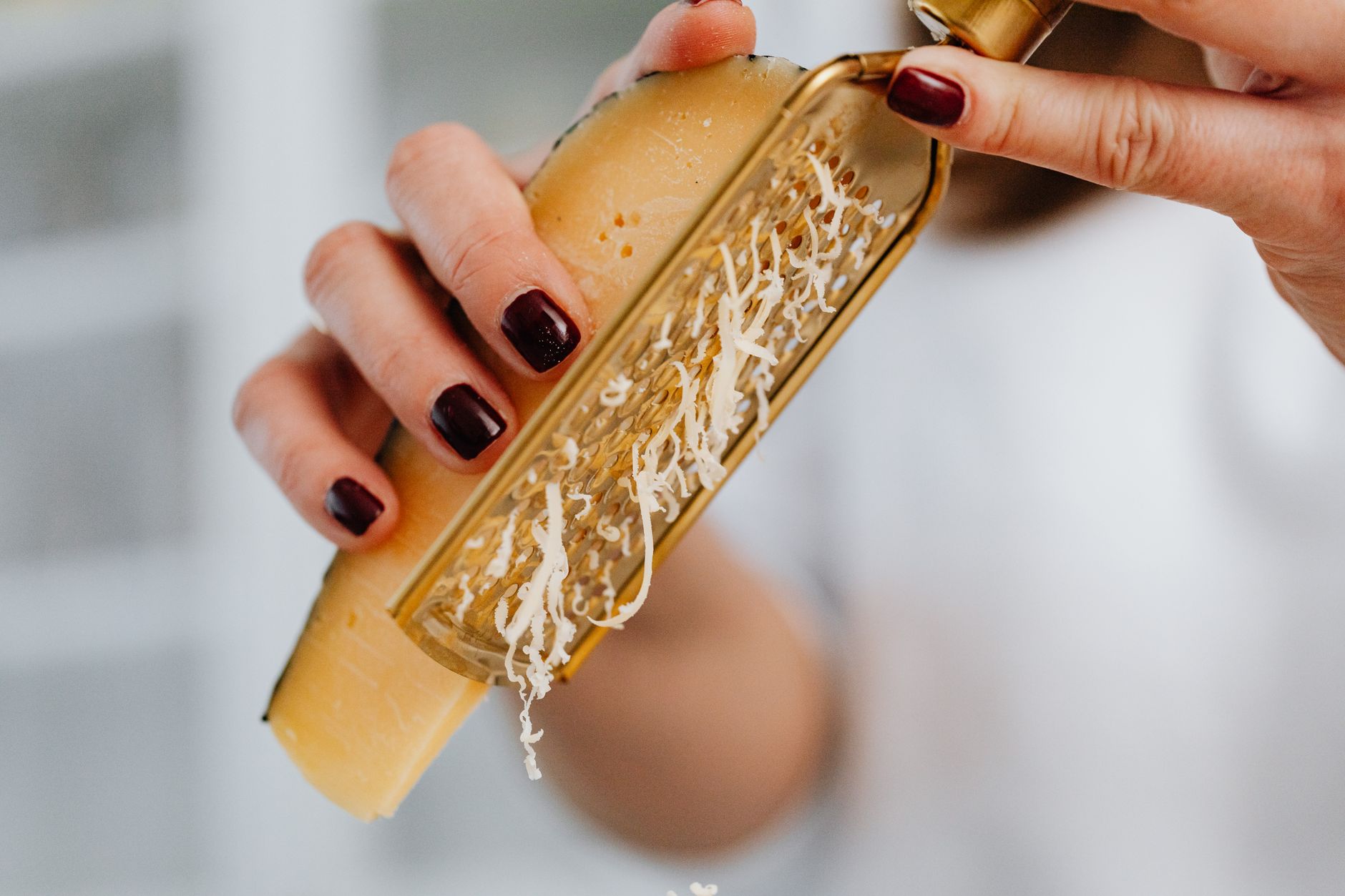
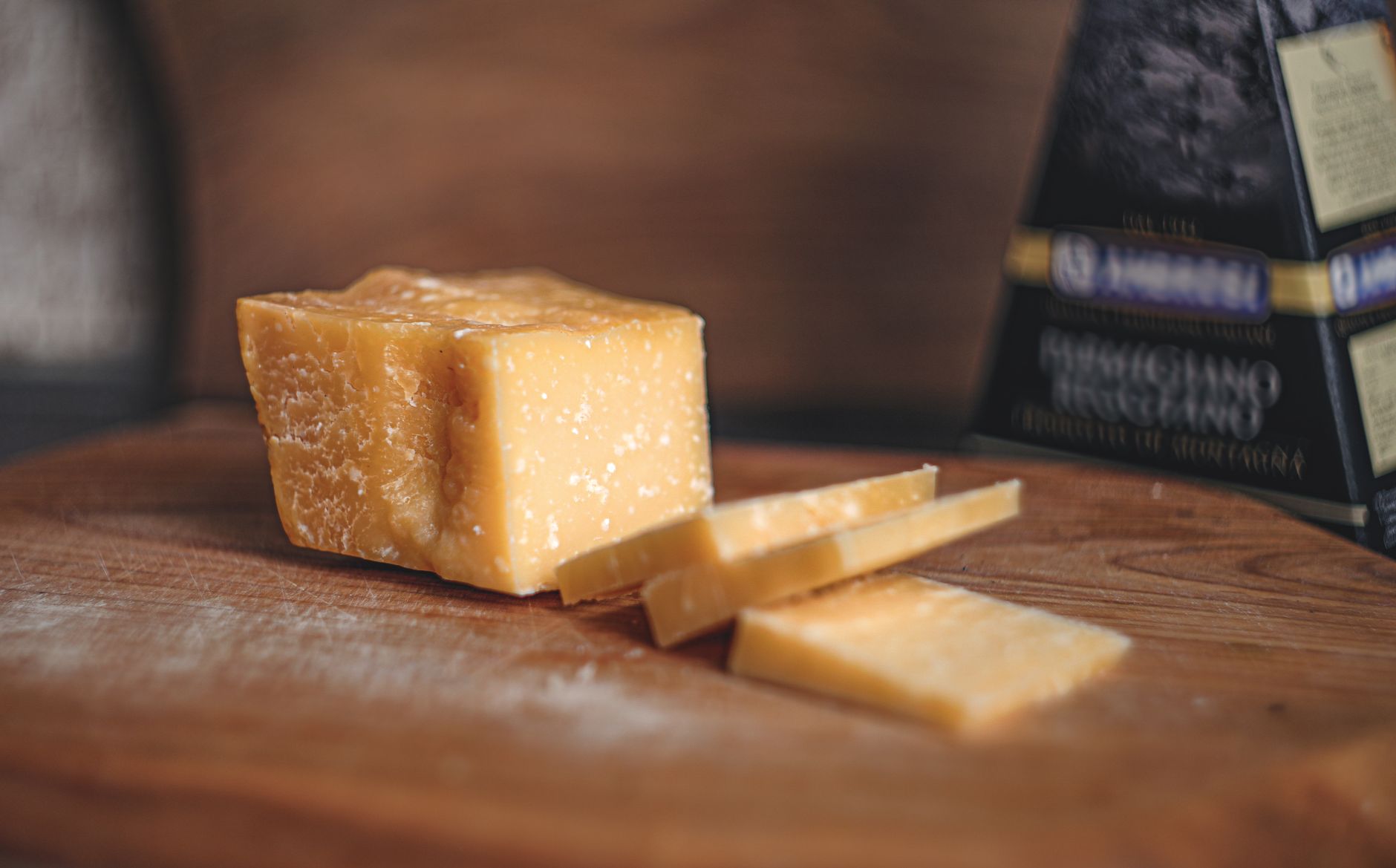
You finish grating a block of Parmigiano-Reggiano, and there it sits a hard, dusty rind. Most people toss it without a second thought. But that piece of Parmesan cheese rind holds deep savory flavor and natural umami that can transform a simple broth into something velvety and rich. Instead of wasting it, drop it into your simmering pot. The rind softens as it cooks, releasing complex notes that no bouillon cube can match. Whether you follow a Halal diet or just love cooking with real ingredients, this trick will save you money and elevate your soups, risottos, and stews.
Why Parmesan Cheese Rind Is a Game-Changer for Broth
What Makes Parmesan Rinds Perfect for Broth?
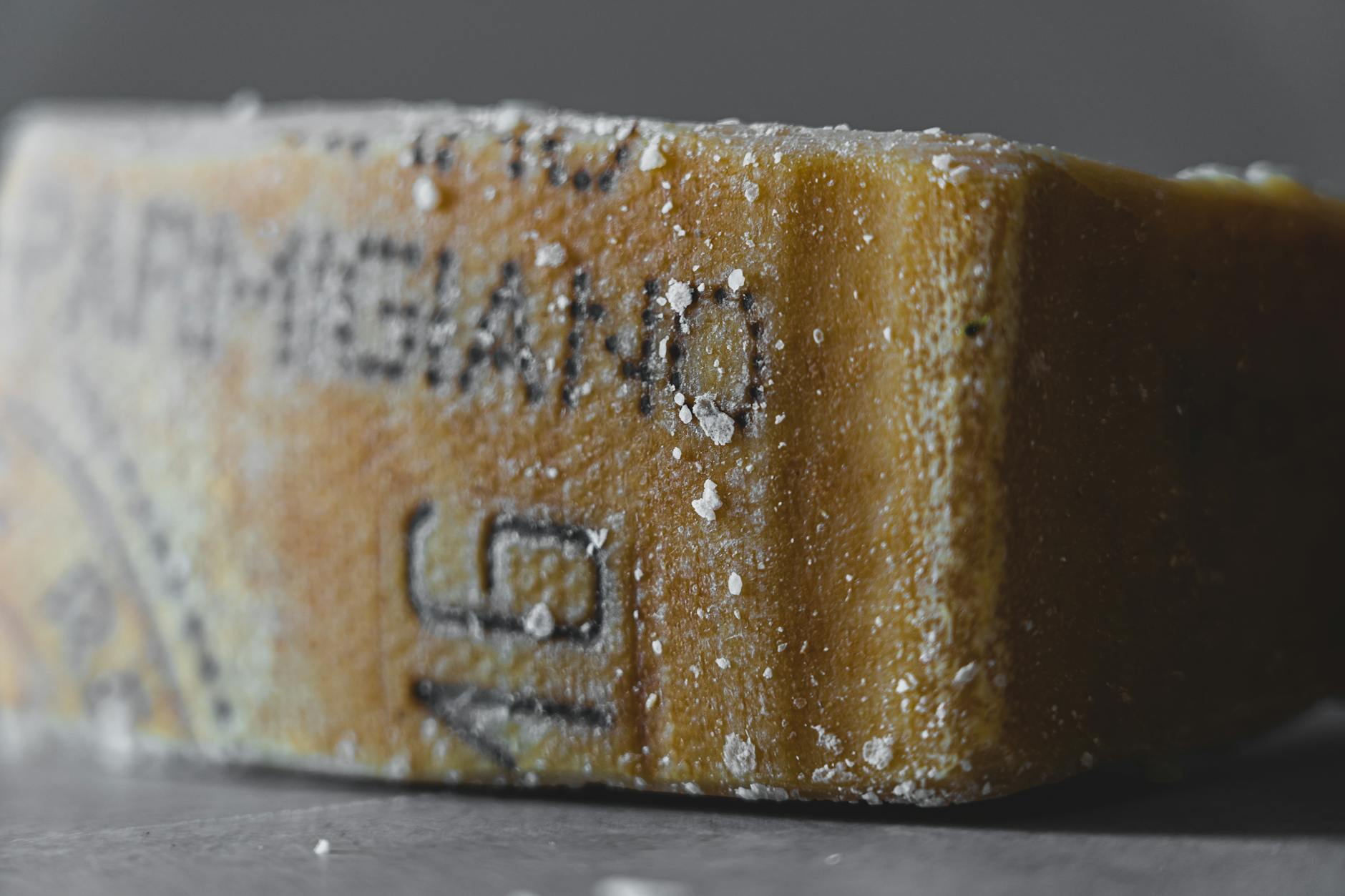
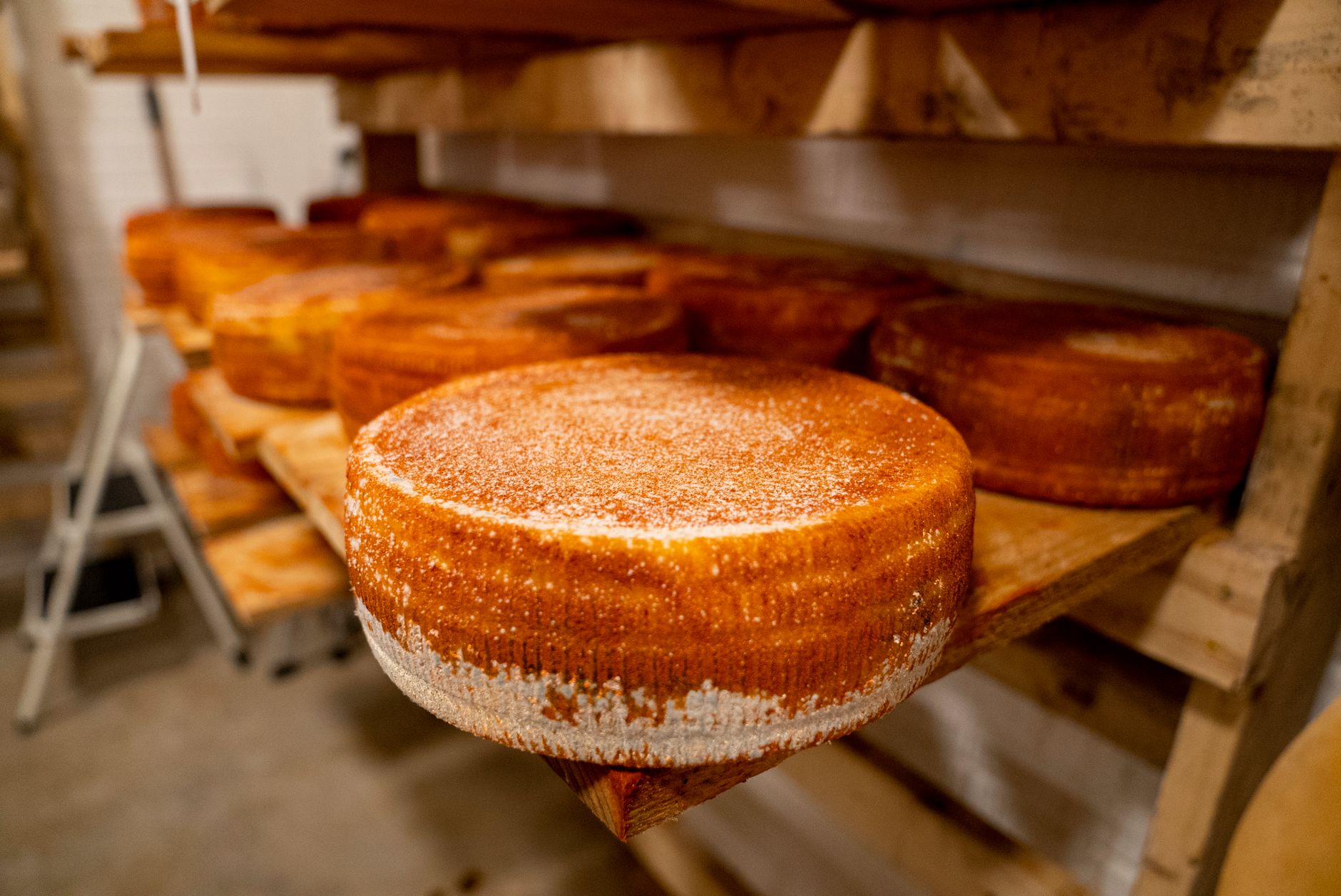
The rind is the aged outer layer of the cheese. During the aging process usually 12 to 36 months moisture evaporates and enzymes concentrate flavor. The result is a hard, crystalline texture packed with glutamates, the compounds responsible for savory depth. When simmered, these compounds dissolve into the liquid, adding complexity without extra salt or fat. Unlike the cheese itself, the rind doesn‘t melt into a greasy mess. It releases flavor slowly, making it ideal for long, gentle cooking.
How Does Adding Parmesan Rind Enhance Homemade Broth?
Broth made with Parmesan cheese rind gains a subtle nuttiness and a round, almost buttery mouthfeel. It complements vegetables, chicken, or beef stocks without overpowering them. For Halal-conscious cooks, this is a clean way to boost flavor without relying on artificial additives or questionable ingredients. According to the USDA FoodData Central, Parmesan cheese contains 38% protein by weight, and the rind contributes trace minerals like calcium and phosphorus. Check your cheese label: ensure it uses microbial rennet or is certified Halal by a trusted body such as JAKIM or IFANCA.
If you enjoy experimenting with dairy in the kitchen, you might also appreciate our guide on the most popular Butter brands ranking for cooking and baking.
How to Use Parmesan Cheese Rind in Broth Step-by-Step
| Prep time | Cook time | Total time | Servings | Calories (approx.) | Diet tags |
|---|---|---|---|---|---|
| 10 minutes | 45 minutes | 55 minutes | 6 cups | 25 kcal per cup | Halal, Gluten-Free, Low-Carb |
Basic Homemade Broth Recipe with Parmesan Rind
Ingredients:
1 Parmesan cheese rind (about 3050 g), well-scrubbed
8 cups water or low-sodium vegetable stock
2 carrots, roughly chopped
2 celery stalks, chopped
1 onion, quartered
2 cloves garlic, smashed
1 bay leaf
1 teaspoon black peppercorns
Step 1 Place the rinsed rind, vegetables, garlic, bay leaf, and peppercorns in a large pot. Pour in the water or stock.
Step 2 Bring to a boil over medium-high heat, then reduce to a gentle simmer. Cook on low heat for 45 minutes do not let it boil rapidly, as that can make the broth cloudy.
Step 3 After 45 minutes, remove the rind with tongs. It should be soft but still intact. Discard the rind or compost it. Strain the broth through a fine-mesh sieve into a bowl.
Step 4 Cool the broth to room temperature, then transfer to airtight containers. Refrigerate for up to 5 days or freeze for 3 months.
Can You Use Parmesan Rind in Other Dishes Besides Broth?
Absolutely. Drop a rind into a pot of risotto during the last 10 minutes of cooking for extra richness. Toss it into tomato sauce while it simmers it will add depth to pasta dishes. You can even add a rind to the water when cooking dried beans or lentils. Every time you reuse a rind, you extract more flavor. Most rinds can be reused once or twice before they become too soft.
Storage Tips for Parmesan Cheese Rinds
Keep rinds in the refrigerator in a sealed container for up to 3 weeks. For longer storage, wrap each rind individually in plastic wrap and freeze them. Frozen rinds stay good for 6 to 8 months. Before using, rinse the rind under cool water to remove any dust or slight surface mold (a white bloom is harmless, but discard if mold is fuzzy or colored).
Balancing Benefits and Potential Risks of Using Parmesan Cheese Rind
Are Parmesan Cheese Rinds Safe to Use?
Yes, with a few precautions. Rinds from high-quality Parmesan especially those with Halal certification are safe as long as they are kept dry and clean. The rind‘s low moisture content inhibits bacterial growth. If you see green or black mold, discard the rind. Also, rinse thoroughly before simmering. Because the rind is hard, it won‘t break down completely, so always remove it before serving the broth.
Nutritional Benefits and Considerations
The rind contributes a small amount of calcium and protein to the broth. However, it can also release sodium. A 30 g rind may add about 300400 mg of sodium to the entire pot. If you are watching your salt intake, use unsalted stock and season the broth after cooking. For Halal-compliant cooking, verify that the cheese manufacturing process uses non-animal rennet many Parmigiano-Reggiano brands use calf rennet, but some producers now offer vegetarian or microbial versions.
Need to manage your frozen cheese supply? Learn the best method to Freeze cottage cheese and keep it fresh for later use.
Expert Tips for Perfect Parmesan Rind Broth
Flavor balance: If your broth tastes flat, add a splash of lemon juice or a pinch of sugar to brighten the umami. Common error: Simmering too long beyond 60 minutes can make the broth bitter as components from vegetable skins leach in. Stick to 45 minutes. Expert upgrade: Use the broth as a base for a mushroom risotto the double umami from mushrooms and Parmesan rind creates an intensely savory dish. For Halal risotto, substitute white wine with a splash of lemon juice and extra stock.
When is the best time to use Parmesan cheese rind in broth?
Add the rind at the very beginning of simmering, along with the aromatics. This allows maximum time for flavor extraction about 40 to 50 minutes. Dropping it in later yields milder results.
Can I reuse a Parmesan cheese rind after one simmer?
Yes, once or twice. After the first use, the rind becomes softer but still holds flavor. Rinse and store it in the fridge for up to a week. Use it again in a second batch of broth or soup, then discard.
Does the rind change the texture of my broth?
No. The rind does not dissolve entirely. It releases flavor compounds without thickening the liquid. If you blend the broth with the rind, it will create a grainy texture always strain.
Is Parmesan cheese rind suitable for a Halal diet?
Only if the original cheese is Halal-certified. Many Parmesan brands use animal rennet from non-Halal slaughtered calves. Look for certification from JAKIM, HMC, IFANCA, or similar bodies. Some artisan producers now use microbial rennet and label it as vegetarian that is usually acceptable under Halal guidelines as long as other ingredients are also Halal.
What other cheeses can I use the rind from?
Grana Padano, Pecorino Romano, and aged Gouda rinds work similarly. Avoid soft or blue cheese rinds, as they can introduce unwanted bitterness or mold spores. Always check the Halal status of those cheeses as well.
How do I know if a Parmesan cheese rind has gone bad?
A healthy rind smells like cheese, not sour or ammonia-like. If it develops fuzzy mold beyond a light white bloom, discard. Black spots or an off-putting odor are signs to throw it out.
Can I use the rind in cold dishes like dressings?
The rind is too hard to incorporate raw. You can steep it in warm oil or vinegar for 30 minutes to infuse flavor, then remove it. This works well for salad dressings or marinades.
Conclusion
The humble Parmesan cheese rind is a flavor powerhouse that deserves a permanent spot in your freezer. Use it to enrich broths, soups, and sauces with zero waste. Next time you finish a wedge of Parmigiano-Reggiano, rinse the rind and slip it into your simmering pot. Your taste buds and your wallet will thank you. For Halal kitchens, just double-check the cheese‘s certification before you start. Have you tried this trick? Share your favorite broth recipe in the comments below.
FAQs
When is the best time to use Parmesan cheese rind in broth?
Add the rind at the very beginning of simmering, along with aromatics like carrots, celery, and onion. This allows about 40 to 50 minutes for maximum flavor extraction. Dropping it in later yields milder results. Always remove the rind before serving.
How long can you store Parmesan cheese rind after opening?
Store rinds in a sealed container in the refrigerator for up to 3 weeks. For longer storage, wrap each rind individually in plastic wrap and freeze. Frozen rinds stay good for 6 to 8 months. Before using, rinse thoroughly to remove any dust or surface mold.
How does Parmesan cheese rind compare to bouillon cubes for flavor?
Parmesan rind adds natural umami, nuttiness, and a round mouthfeel without artificial additives or excessive salt. Bouillon cubes often contain MSG, preservatives, and high sodium. The rind provides complex, slow-released savory notes that enhance broth without overpowering it.
Is it safe to use Parmesan cheese rind in broth every day?
Yes, with moderation. The rind releases some sodium—about 300–400 mg per 30 g rind in the entire pot. If you watch salt intake, use unsalted stock and season after cooking. Ensure the cheese is Halal-certified or uses microbial rennet. Discard rinds with green or black mold.
Where can I buy Parmesan cheese rind?
Buy whole wedges of Parmigiano-Reggiano and keep the rinds from the ends. Some cheese shops and specialty grocers sell rinds separately at a discount. Online retailers and local delis may also offer them. For Halal options, look for certification logos from JAKIM, IFANCA, or HMC.