The Filipino favorite dish that captured the hearts of culinary legends Gordon Ramsay and Anthony Bourdain is none other than adobo. This rich and flavorful stew-like recipe is a shining example of Filipino cuisine‘s depth and warmth. Its tangy, savory profile made it stand out as a must-try dishnot just in the Philippines but around the world. Understanding adobos history, cultural significance, and how these renowned chefs interpreted it opens a delicious window into traditional Filipino cooking that anyone can appreciate.
Why It Stands Out
What is the Filipino favorite dish both chefs rave about?
Adobo is often described as the unofficial national dish of the Philippines. It combines meat, usually chicken or pork, marinated in vinegar, soy sauce, garlic, bay leaves, and black peppercorns, then simmered until tender. The result is a perfect balance of tangy, salty, and slightly sweet flavors. Its versatility, ease of preparation, and bold character have made it the hallmark of Filipino cooking and a favorite in households and restaurants alike.
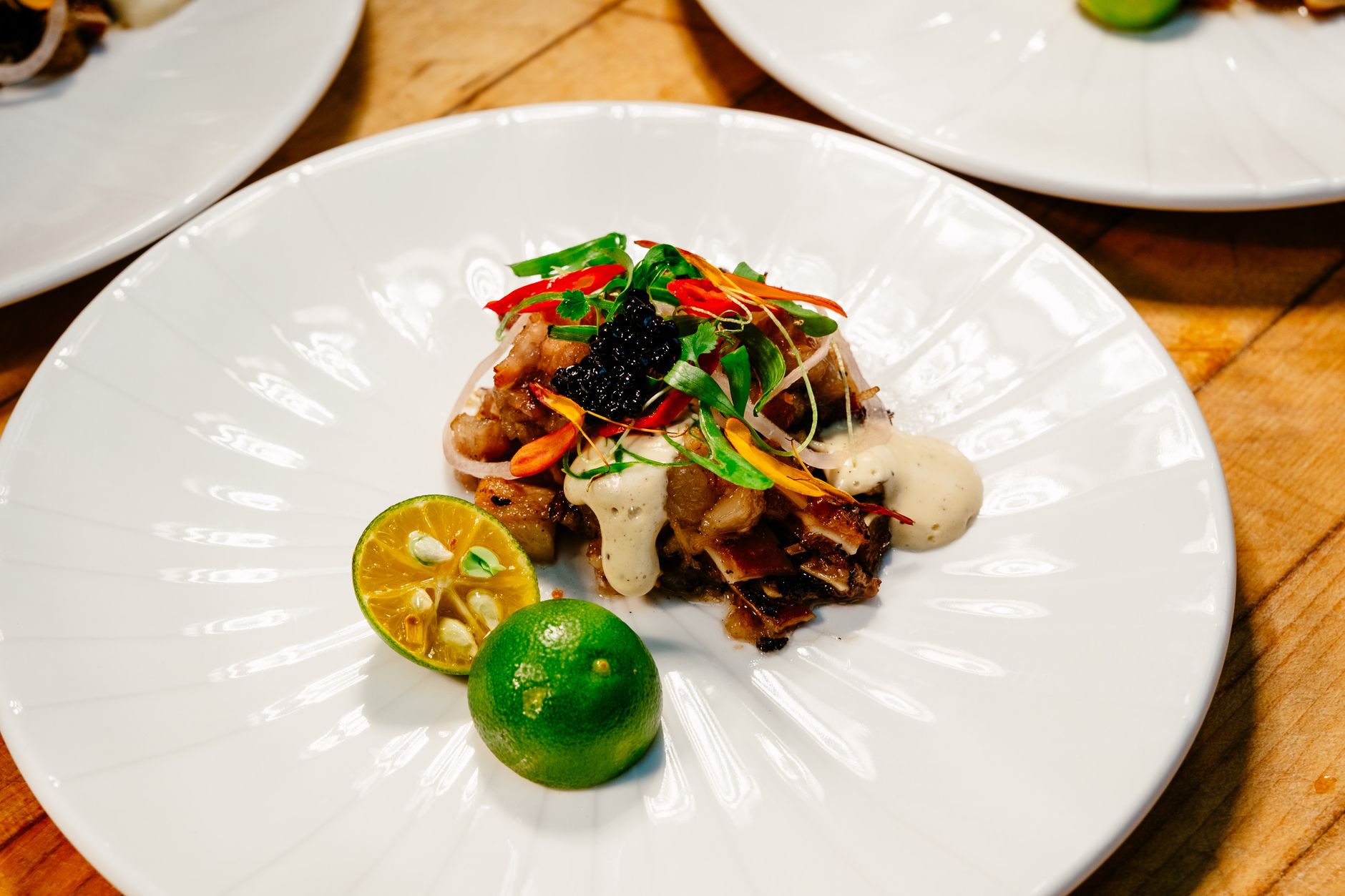
Common misconceptions about this Filipino favorite dish
Many assume adobo is a single recipe or that it only involves chicken and soy sauce. In reality, adobo varies widely from region to region across the Philippines. Some versions include coconut milk, potatoes, or even pineapple. Another misconception is that vinegar should be overpowering. Instead, the vinegar gently tenderizes the meat and provides a subtle tang that balances the savory soy and spices. Proper marinating and slow simmering are key to unlocking adobo‘s complex flavors.
The cultural and culinary significance behind the dish
Adobo represents the simplicity and resourcefulness of Filipino cooking. Its preservation technique predates refrigeration, using vinegar and salt to keep food safe for days. Beyond practicality, it reflects the countrys mixed culinary heritage, with Spanish, Chinese, and indigenous influences blending harmoniously. Today, adobo is enjoyed daily by many Filipinos and honors shared family traditions during celebrations. Food historians often cite adobo as a symbol of Filipino identity and resilience.
Gordon Ramsays Take
How Gordon Ramsay discovered and described the dish
Gordon Ramsay encountered Filipino adobo during his travels and immediately admired its rustic elegance. He called it "a brilliant and surprisingly simple dish with bold flavors." Ramsay highlighted how the interplay of vinegar and soy sauce distinguishes adobo from other stews, emphasizing the importance of balance and fresh garlic. For him, adobo is comforting yet excitinga dish with soul.
Ingredients and cooking techniques Gordon Ramsay prefers
Ramsays version uses chicken thighs marinated for at least 2 hours in a mixture of white vinegar, soy sauce, crushed garlic, black peppercorns, and bay leaves. He recommends searing the marinated chicken over high heat to lock in juices, then slowly simmering it with the marinade, allowing the flavors to reduce and intensify. Adding a pinch of brown sugar balances the acidity without overpowering the dish.
Tips from Ramsays version that home cooks can apply
- Marinate the meat overnight for deeper flavor penetration.
- Use skin-on chicken thighs for a richer texture and crispier finish.
- Simmer on low heat for 40 to 50 minutes to achieve tender meat and a thick sauce.
- Serve hot with steamed white rice to soak up the flavorful jus.
What food critics say about Ramsay‘s Filipino dish interpretation
Critics praise Ramsay‘s interpretation for retaining authenticity while making it accessible to international kitchens. Food writers note how the inclusion of caramelized onions and a bit of sugar in Ramsays adaptation creates a subtle sweetness that complements vinegars sharpness. His method respects tradition but encourages experimentationa balance that appeals to home cooks and professionals alike.
Anthony Bourdains Favorite Food Experience
Bourdains personal stories involving this Filipino favorite dish
Anthony Bourdain shared candid moments about adobo during his travels in Manila. Calling adobo "a revelation," he appreciated its no-fuss preparation paired with extraordinary flavor depth. For Bourdain, eating adobo in local eateries evoked the warmth and hospitality Filipinos are known for. He often emphasized the importance of experiencing dishes in their authentic cultural context, appreciating the simplicity behind complex flavors.
How Bourdains approach contrasts or complements Ramsays
While Ramsay focuses on technique and refinement, Bourdain celebrated adobos rustic authenticity. Bourdain favored versions cooked over charcoal or with traditional wood fires, valuing the smoky undertones they imparted. His passion lay in preserving local culinary traditions rather than modifying them, making his experience complementary to Ramsays more polished approach.
Recommendations Bourdain gave about Filipino cuisine
Bourdain encouraged food lovers to explore lesser-known Filipino dishes, highlighting the rich tapestry of regional specialties beyond adobo. He urged chefs worldwide to embrace Filipino ingredients and techniques, recognizing their growing global appeal. Bourdains respect for Filipino cuisine championed cultural pride and wider culinary curiosity among his audience.
The influence of this dish on Bourdains culinary philosophy
Adobo represented Bourdains broader appreciation for food that tells a storyflavors shaped by history, culture, and community. It reminded him that greatness in cooking is often found in humble dishes made with care. This philosophy influenced his documentaries and writings, inspiring countless viewers to seek authenticity in their food journeys.
Global Love for Filipino Cuisine
Flavor profile and main ingredients appealing internationally
Adobos global appeal lies in its balance of acidity and savoriness, with garlic and black pepper adding warmth. The harmony between vinegar and soy sauce creates a complex umami flavor that‘s hard to resist. Many international foodies find adobo approachable due to its use of familiar ingredients elevated by Filipino techniques.
Role in Filipino culture and celebrations
Adobo holds a special place in Filipino celebrations, often featured in family reunions, fiestas, and holidays. It symbolizes unity and comfort, making it a go-to dish for nurturing and sharing. The dish adapts well to feeding large groups, further cementing its role in social gatherings.
Side dishes or drinks often paired with it
- Steamed white rice absorbs the tangy sauce perfectly.
- A side of atchara (pickled green papaya) adds crunch and sweetness.
- Calamansi juice or local beers complement the dish with refreshing acidity.
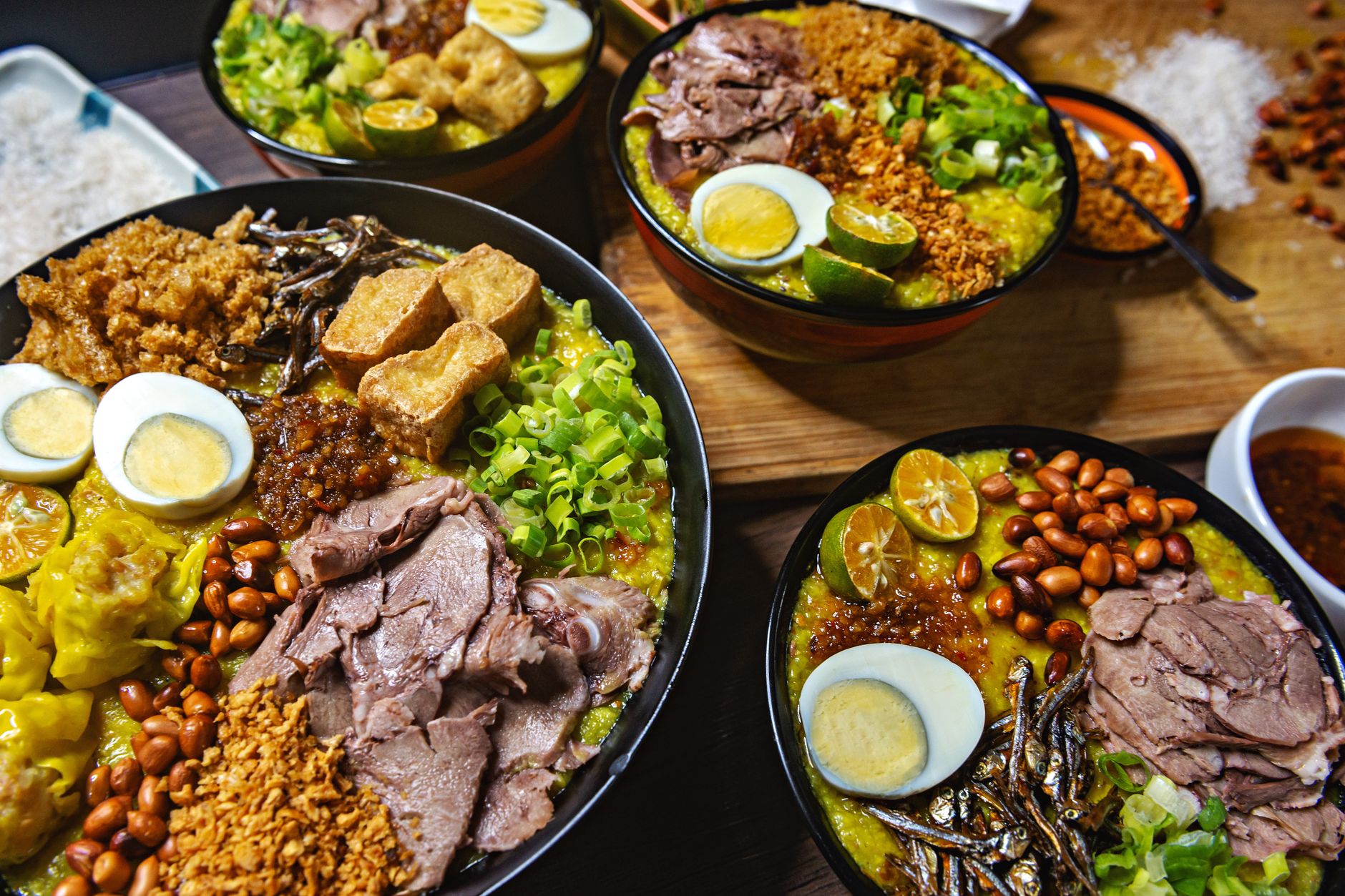
How locals and foodies celebrate the dish today
From humble street stalls to upscale Filipino restaurants globally, adobo remains a beloved dish. Its variations showcase culinary creativity, from spicy versions to those enriched with coconut milk or potatoes. Filipino communities abroad cherish it as a taste of home, while new fans appreciate its comforting yet exciting flavors.
Health and Dietary Considerations
Health aspects and nutritional overview
Adobo offers a high-protein meal rich in essential amino acids. Depending on preparation, it contains moderate sodium, primarily from soy sauce. Vinegar adds antioxidants and may support blood sugar management, according to some studies cited by the USDA FoodData Central.
Possible dietary concerns or common allergens
Soy sauce contains gluten in many varieties; those with celiac disease should opt for gluten-free tamari or certified gluten-free soy sauce brands. Traditional recipes may include pork, so Halal-conscious consumers should select chicken or beef versions with verified Halal certification, such as those endorsed by JAKIM or HMC.
Tips for a healthier version without losing flavor
- Use skinless chicken thighs to reduce saturated fat.
- Replace regular soy sauce with low-sodium or gluten-free alternatives.
- Add vegetables like bell peppers or green beans for fiber and vitamins.
- Avoid adding excessive sugar; use natural sweeteners such as honey sparingly.
Cooking Your Own Filipino Favorite Dish
Essential ingredients and sourcing guidance
To cook authentic adobo outside the Philippines, look for these key ingredients in international or Asian grocery stores: aged cane vinegar or white vinegar, soy sauce (Halal-certified if required), whole black peppercorns, fresh garlic, and bay leaves. Halal-certified meat options are widely available in specialty markets.
| Prep time | Cook time | Total time | Servings | Calories | Diet tags |
|---|---|---|---|---|---|
| 15 minutes | 45 minutes | 1 hour | 4 | 320 kcal per serving | Halal, Gluten-Free (use gluten-free soy sauce) |
Step-by-step guide for beginners
- Marinate 1 kg chicken thighs with cup vinegar, cup soy sauce, 6 crushed garlic cloves, 2 bay leaves, and 1 tsp black peppercorns for at least 2 hours.
- Heat 2 tablespoons of oil in a pan over medium-high heat. Sear chicken pieces skin-side down for 3-4 minutes until golden.
- Flip chicken and cook another 2 minutes; remove excess marinade but keep leftover liquid.
- Add marinade back to the pan; bring to a boil, then reduce heat to low.
- Simmer uncovered for 35-40 minutes, stirring occasionally, until sauce thickens and chicken is tender.
- Optional: Add 1 tsp brown sugar halfway through cooking for balanced sweetness.
- Serve hot with steamed white rice and your favorite side dishes.
Common pitfalls and how to avoid them
- Dont rush the marinating stepflavor wont fully develop without time.
- Avoid high heat during simmering, which can toughen meat.
- Dont discard the marinadeits essential for the sauces richness.
- Balance vinegar carefully; too much can make the dish overpoweringly sour.
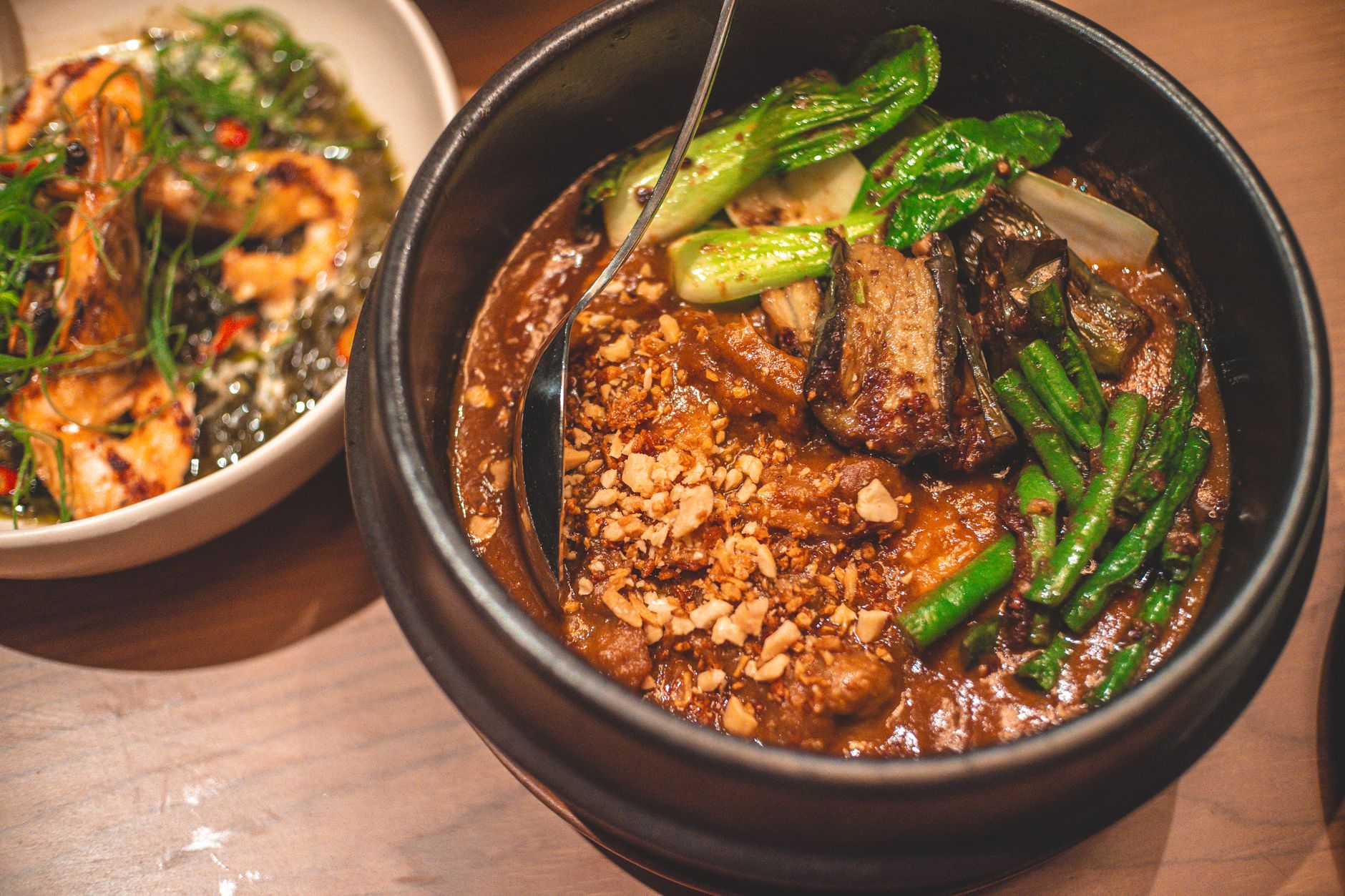
Storage tips for leftovers
Adobo keeps well refrigerated for 3-5 days in an airtight container. The flavors develop further after resting overnight. You can freeze cooked adobo for up to 2 months; thaw in the refrigerator before reheating gently on the stove.
Integrating adobo into diverse diets
For gluten-free diets, select certified gluten-free soy sauce variants. To keep it Halal, verify meat sources and sauce certifications, ideally from known Halal certifiers like JAKIM or IFANCA. Adobo also adapts well to keto or low-carb diets by serving without rice or substituting cauliflower rice.
Pro Tips for Cooking Filipino Favorite Dish
- For a smoky twist, try finishing your adobo on a grill after simmeringthe slight charring adds depth.
- Use fresh garlic and freshly cracked peppercorns rather than pre-ground spices for brighter flavor.
- Balance acidity by tasting while cooking; adjust vinegar and soy sauce gradually.
- Experiment with adding coconut milk for a creamy Bicolano-style adobo variation.
To explore more international dishes with rich flavors, you might enjoy the comparison of butter chicken vs tikka masala, or try a unique twist like futomaki sushi for a diverse culinary experience.
When is the best time to eat Filipino favorite dish?
Adobo is incredibly versatile and enjoyed any time of dayfrom breakfast paired with garlic fried rice, to lunch or dinner as the main dish. It also shines at festive occasions or family gatherings, offering comfort and nostalgia.
Is Filipino favorite dish actually Halal what should I check?
Adobo can be Halal if prepared with Halal-certified meat and ingredients. Look for certification logos from bodies like JAKIM, HMC, or IFANCA on meat packaging and soy sauce products. Avoid adobo made with pork or non-Halal sources.
How can I balance vinegar acidity without losing authenticity?
Add small quantities of brown sugar or a pinch of salt gradually while cooking. This balances the sharp vinegar taste without masking the authentic flavor profile essential to adobo.
Can I make adobo vegetarian or vegan?
Yes, using tofu, mushrooms, or seitan as substitutes works well. Use plant-based soy sauce and adjust cooking times since vegetables and tofu require less simmering than meat.
What side dishes best complement this dish?
Steamed jasmine or white rice is classic. Atchara (pickled green papaya), sauted greens, or boiled eggs also pair wonderfully, adding different textures and flavors.
How do regional variations affect adobo recipes?
Some regions add coconut milk for creaminess, others increase heat with chili, or include potatoes for heartiness. These variations reflect local tastes and ingredient availability, enriching adobos diverse legacy.
Can I prepare adobo in a slow cooker?
Absolutely. Cook on low for 6-7 hours or high for 3-4 hours, but reduce the sauce after slow cooking to thicken. Slow cooking enhances tenderness and flavor melding.
Should I use dark or light soy sauce for the dish?
Light soy sauce offers saltiness and umami, while dark soy sauce adds color and slight sweetness. Many recipes use a combination for a well-rounded sauce, but both are acceptable depending on preference.
Is leftover adobo safe to reheat multiple times?
Reheat leftovers once thoroughly to avoid bacterial growth. Store properly in airtight containers, refrigerate promptly, and consume within 3 days for safety and flavor retention.
Conclusion
Adobo remains the definitive Filipino favorite dish, bridging culinary icons like Gordon Ramsay and Anthony Bourdain through its robust flavors and cultural depth. Its adaptability and wide appeal continue to inspire chefs and home cooks worldwide. Next time you explore Filipino cuisine, consider trying this dish authentically or breath new life into your cooking by following trusted recipes and tips. Share your own adobo stories or questions to keep this delicious tradition thriving.
FAQs
When is the best time to eat or drink Filipino favorite dish?
Adobo is highly versatile and enjoyed at any time of day, from breakfast with garlic fried rice to lunch or dinner. It also features prominently in festive gatherings and family celebrations, offering comfort and nostalgia.
How long can I safely store leftover Filipino favorite dish?
Store adobo refrigerated in an airtight container for 3-5 days. Flavors improve after resting overnight. It can also be frozen for up to 2 months and should be thawed in the fridge before reheating gently.
What sets Filipino adobo apart from other stew-like dishes?
Adobo is distinct for its balance of vinegar and soy sauce, combined with garlic, bay leaves, and black peppercorns. Unlike stews with heavy cream or spices, adobo’s tangy and savory profile and slow simmering create its unique complex flavor.
Is Filipino favorite dish safe to eat daily?
Yes, adobo can be part of a balanced diet if prepared with healthy ingredient choices like low-sodium soy sauce and moderate vinegar. Eating it daily is safe when combined with vegetables and mindful portion control.
Where can I buy authentic ingredients for Filipino favorite dish?
Key ingredients like vinegar, soy sauce, fresh garlic, and bay leaves are available at most Asian or international grocery stores. Halal-certified meat and gluten-free soy sauce can be found at specialty markets or online retailers.