The geoduck might look strange with its long siphon and oversized shell, but geoduck cooking is surprisingly straightforward. This shellfish offers a sweet, briny flavor with a crisp texture that seafood lovers cherish once they get past its unusual appearance. Knowing how to clean, prepare, and cook geoduck properly unlocks a world of tasty possibilities without intimidation.
What Is Geoduck?
Geoduck (pronounced gooey-duck) is a giant clam native to the cold waters of the Pacific Northwest. Its shell can be quite large, but the prized part is the siphonthe long neck that extends far outside the shell. Renowned for its subtle sweetness and crunchy texture, geoduck is considered a delicacy in many cuisines. While it looks intimidating, cooking geoduck is manageable once you understand its anatomy and proper handling.
What Makes Geoduck Different?
Unlike typical clams or mussels, the geoducks siphon is massive and covered in a tough, brownish skin that needs removal. Its shell is much larger and sturdier but often not used directly in cooking. The key difference lies in preparation: shucking geoduck requires care to separate the siphon and body from the shell without damaging the tender meat inside. The rough skin can turn bitter if not peeled off before cooking.
Why Proper Preparation Matters
- Improper cleaning leaves grit or a strong, unpleasant taste.
- Overcooking leads to rubbery, tough meat instead of tender, crisp texture.
- Purchasing fresh, responsibly sourced geoduck ensures safety and optimal flavor.
Experts recommend checking for certification labels to confirm sourcing complies with safety and sustainabilityimportant for both quality and Halal assurance.
How to Prepare Geoduck
The first step to great geoduck cooking is preparation. Cleaning and peeling the clam properly removes bitterness and grit, setting the stage for delicious meals.
Step-by-Step Geoduck Cleaning
Start by rinsing the geoduck thoroughly under cold running water to wash away sand and debris on the shell. Then, place the clam on a stable surface and use a sharp shucking knife to pry the shell open. Take care as the shell edges can be sharp.
Once the shell is opened, gently pull out the siphon and body. Remove the tough outer skin by blanching the siphon in boiling water for 10 to 15 seconds, then immediately placing it in ice waterthis loosens the skin for easy peeling. Use a paring knife or your fingers to peel off the skin completely, exposing the tender white meat inside.
Wash the cleaned geoduck meat again in cold water to remove any remaining grit or sand.
Do You Need To Soak Geoduck?
Soaking is optional but recommended for purging any residual sand. Submerge the cleaned geoduck meat in salted water (about 3% salt concentration) for 20 to 30 minutes. This simulates its natural environment and helps expel grit without affecting flavor.
Tools for Preparation
- Shucking knife or oyster knife for opening the shell
- Large bowl for soaking
- Paring knife for peeling the skin
- Gloves for safe handling of sharp shells
Geoduck Cooking Methods
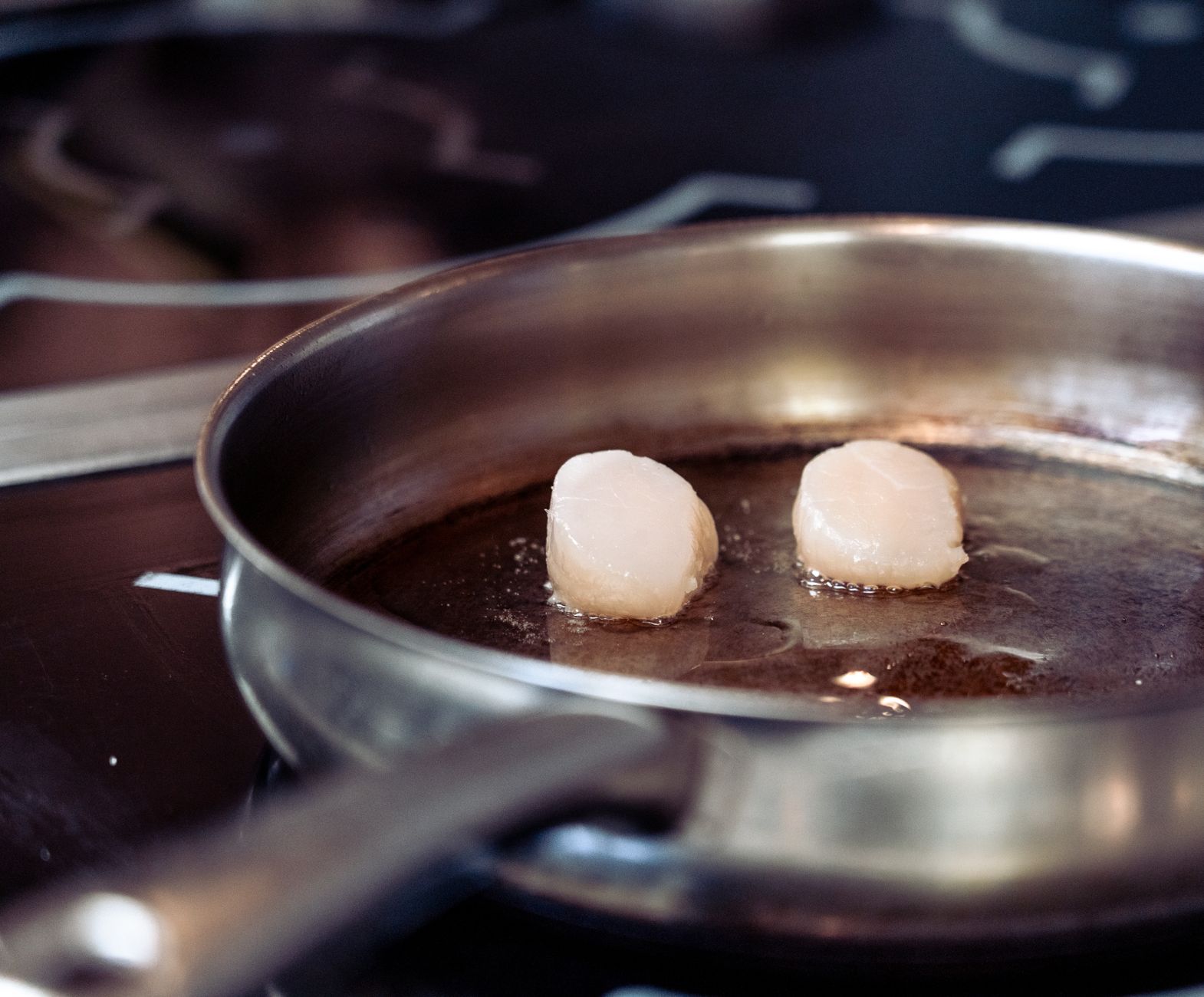
After cleaning, geoduck meat can be used in various recipes, all highlighting its natural sweet and slightly briny flavor. The key is not to overcook it, preserving its crispness and tender chew.
Best Ways to Cook Geoduck
- Blanching: Quickly boiling slices for 1015 seconds for sashimi or salads.
- Stir-frying: Cooking thinly sliced geoduck over medium-high heat for 12 minutes.
- Ceviche: Marinating raw geoduck in citrus juice for 1520 minutes.
- Grilling: Briefly grilling large slices for a smoky flavor.
Each method offers a distinct experience, with blanching and ceviche best for showcasing geoducks fresh, delicate taste.
Simple Stir-Fry Recipe
| Prep time | 15 minutes | Cook time | 5 minutes |
|---|---|---|---|
| Total time | 20 minutes | Servings | 4 |
| Calories | 120 kcal per serving | Diet tags | Halal, Gluten-Free |
Ingredients:
- 1 cleaned geoduck siphon, sliced thinly
- 2 tbsp vegetable oil
- 3 garlic cloves, minced
- 1 small red chili, sliced (optional)
- 1 tbsp soy sauce (check Halal certification)
- 1 tsp sesame oil
- 1 spring onion, chopped
- Fresh coriander leaves for garnish
Instructions:
- Heat vegetable oil on medium-high in a wok or frying pan.
- Add garlic and chili, stir-fry for 30 seconds until fragrant.
- Add geoduck slices and stir quickly for 1 to 2 minutes. Avoid overcooking; the meat should stay tender but crisp.
- Pour soy sauce and sesame oil over, stirring to coat evenly.
- Remove from heat, garnish with spring onion and coriander leaves.
- Serve immediately with steamed rice or as a light appetizer.
Other Ideas
- Geoduck Chowder: Add diced geoduck to a creamy soup base with potatoes and herbs for a rich, satisfying dish.
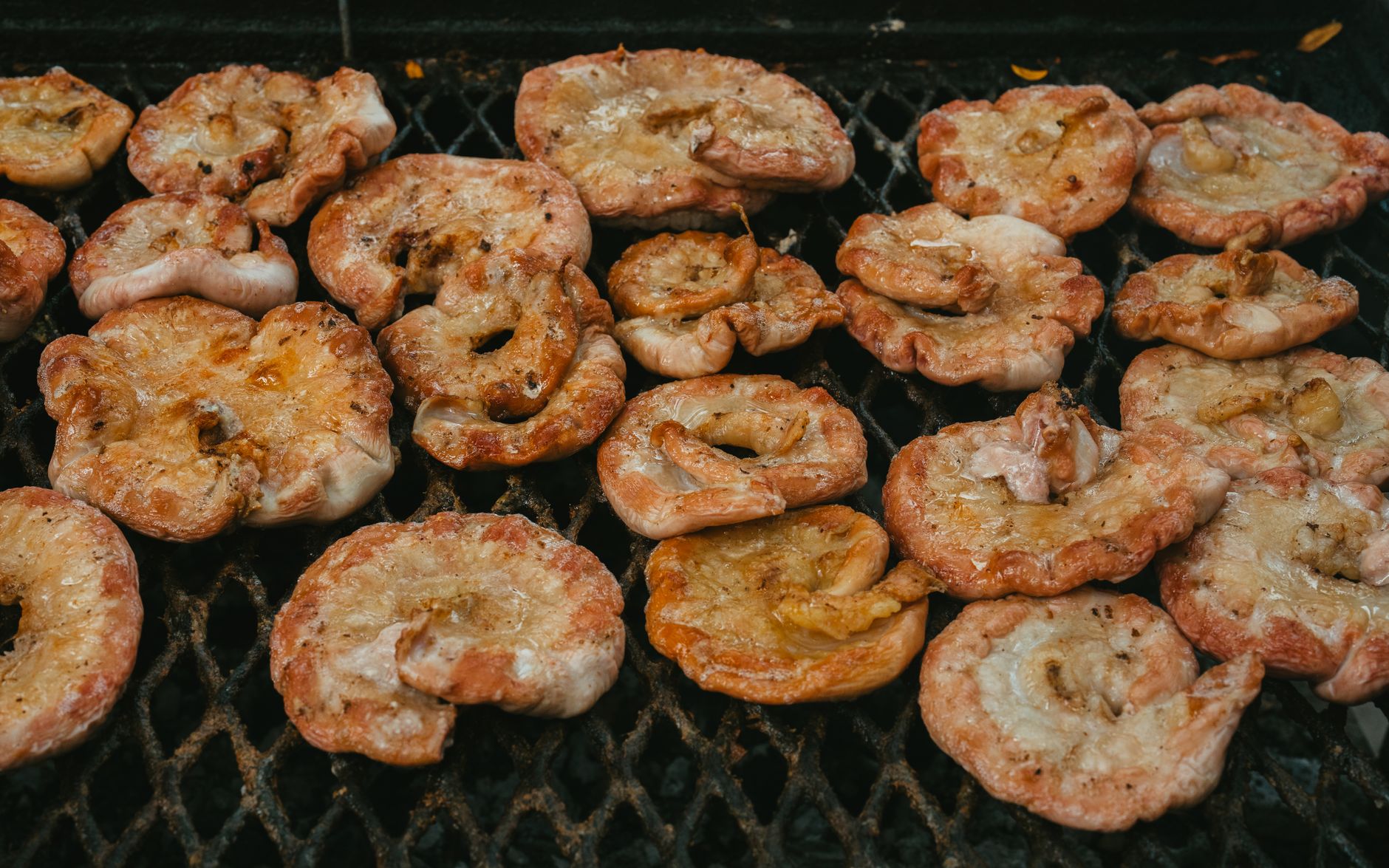
- Grilled Geoduck: Brush with olive oil and lemon, grill 2 minutes per side.
- Geoduck Salad: Toss thinly sliced blanched geoduck with fresh herbs and a citrus vinaigrette.
These ideas suit cooks of all levels, from beginners to confident seafood enthusiasts.
Geoduck Shell Uses
The robust shells of geoduck aren‘t typically cooked but can serve other purposes in the kitchen or craft projects.
Cooking or Using Shells?
Chefs sometimes use empty geoduck shells as decorative serving vessels for seafood platters. The shell can also add natural flavor if simmered briefly in broths or stocks for a subtle ocean essence, but prolonged cooking isnt recommended as it imparts bitterness.
Cleaning and Storage
To safely reuse shells, soak them in boiling water for 10 minutes to sanitize, then scrub off any residue. Store dry shells in a clean container, ideally separate from food prep areas to avoid contamination.
Tips and Troubleshooting
Cooking geoduck can present a few common hurdles, but a few expert tips make all the difference.
Prevent Overcooking
Geoduck cooks fastusually within 12 minutes for sliced meat. Overcooked geoduck turns tough and rubbery. Use high heat and quick cooking methods like stir-frying or blanching to keep it tender and crisp. If taste-testing, the meat should be firm yet slightly springy.
Dealing with Bitter Taste
If your geoduck tastes bitter or off, it may be due to incomplete skin removal or subpar freshness. Always peel the entire tough outer skin after blanching. Purchase from reputable Halal-certified suppliers, checking for freshness indicators like clear shells and seawater smellavoid fishy or sour odors.
Freshness and Halal Certification
Because geoduck is a seafood product, sourcing from Halal-certified suppliers like those approved by JAKIM or HMC ensures compliance with dietary guidelines. Look for certified logos on packaging or from trusted vendors.
For a convenient busy-night option, pairing fresh geoduck with turnkey Halal products like Trader joe‘s dinner or quick breakfasts such as Jimmy dean breakfast sandwiches can complement your meal times.
When Is the Best Time to Eat Geoduck?
Geoduck is best enjoyed fresh, ideally the same day you purchase it. Its natural sweetness and crispness peak shortly after cleaning. Serving it chilled or slightly warmed maximizes its refreshing texture, making it perfect for summer salads or light stir-fries.
How to Store Cooked Geoduck?
Store any leftover cooked geoduck in an airtight container in the refrigerator. It will keep well for 3 to 4 days. Avoid freezing cooked geoduck as it may lose texture and flavor.
Can You Freeze Raw Geoduck?
Raw geoduck can be frozen for up to 2 months if stored in vacuum-sealed packaging. Thaw slowly in the refrigerator before cleaning and cooking to maintain texture.
Is It Safe to Eat Geoduck Raw?
Yes, geoduck can be eaten sashimi-style after cleaning and blanching briefly to remove the tough outer skin. Always ensure the geoduck is from reputable, Halal-certified sources to minimize contamination risks.
How Do I Know If Geoduck Is Fresh?
Look for firm, intact meat with no off odors. The shell should be closed tightly or close when tapped. Fresh geoduck has a clean ocean scent, not fishy or sour. Buying from trusted Halal-certified suppliers guarantees quality.
What Are Common Cooking Mistakes?
Common errors include under-cleaning the siphon skin, overcooking repeatedly, and using low heat that steams rather than sears meat. Thin slicing and quick high-heat cooking help avoid these pitfalls.
Expert Tips for Perfect Geoduck
- Slice Thinly: Thin slices cook evenly and quickly, preserving crispness.
- High Heat Quick Cook: Use a hot pan or boiling water to blanch for just 1015 seconds, preventing toughness.
- Check Certification: Always buy from Halal-certified supplierslook for JAKIM, HMC, or IFANCA logos to ensure compliance and quality.
- Peel Thoroughly: Dont skip blanching and removing the skin, as it causes bitterness.
More You Might Like
If you enjoy exploring unique seafood, consider checking out popular quick meals like Trader joe‘s dinner options, perfect for pairing with fresh shellfish. For easy breakfasts on busy mornings, see our guide on Jimmy dean breakfast sandwiches.
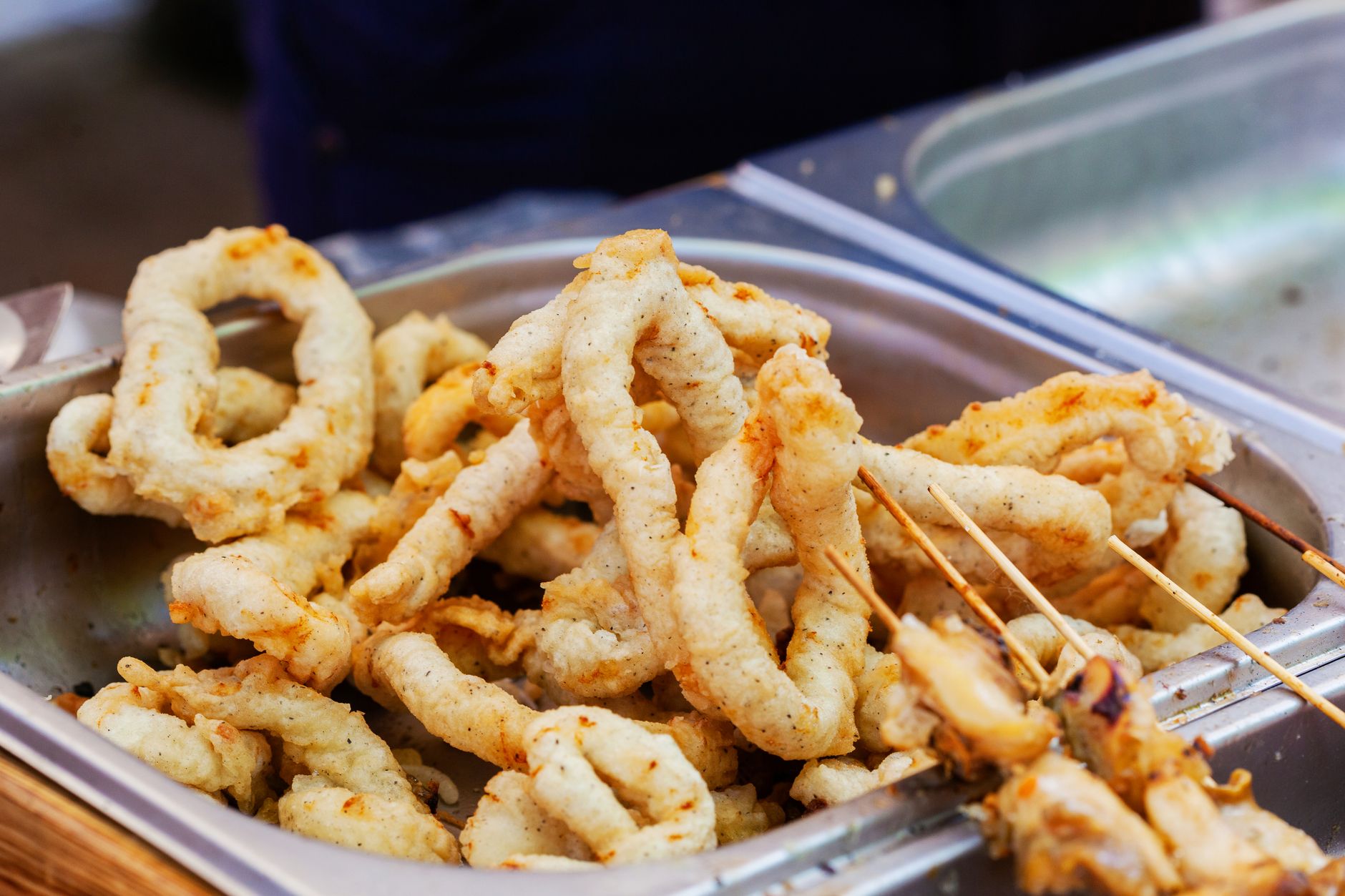
Geoduck cooking opens the door to beautiful, fresh seafood meals that are surprisingly accessible. Mastering the cleaning and quick cooking methods lets you enjoy this distinctive shellfish with ease. Next time you shop, look for Halal-certified geoduck to ensure quality and compliance, then try the simple stir-fry recipe here. We‘d love to hear about your experience or questions in the comments below!
FAQs
When is the best time to eat or drink geoduck cooking?
Geoduck is best enjoyed fresh, ideally the same day it is purchased. Its natural sweetness and crisp texture peak shortly after cleaning. Serving it chilled or lightly warmed enhances its refreshing quality, making it perfect for salads or quick stir-fries.
Is geoduck cooking actually Halal — what should I check on the label?
Yes, geoduck cooking can be Halal when sourced from certified suppliers. Look for Halal certification logos such as JAKIM, HMC, or IFANCA on the packaging to ensure compliance with Islamic dietary laws and quality standards.
How long can cooked geoduck be stored safely?
Cooked geoduck can be kept in an airtight container in the refrigerator for 3 to 4 days. Avoid freezing cooked geoduck as this can negatively affect its texture and flavor.
How does geoduck differ from regular clams or mussels in cooking?
Geoduck has a much larger siphon covered in tough skin that must be peeled away before cooking. Its meat is sweeter with a crisper texture, and it requires quick cooking to avoid toughness, unlike common clams or mussels which have tender shells and meat.
Where is the best place to buy fresh and Halal-certified geoduck?
Purchase geoduck from reputable seafood markets or suppliers that provide Halal certification, such as those recognized by JAKIM or HMC. Checking for freshness signs like closed shells and ocean scent ensures quality.