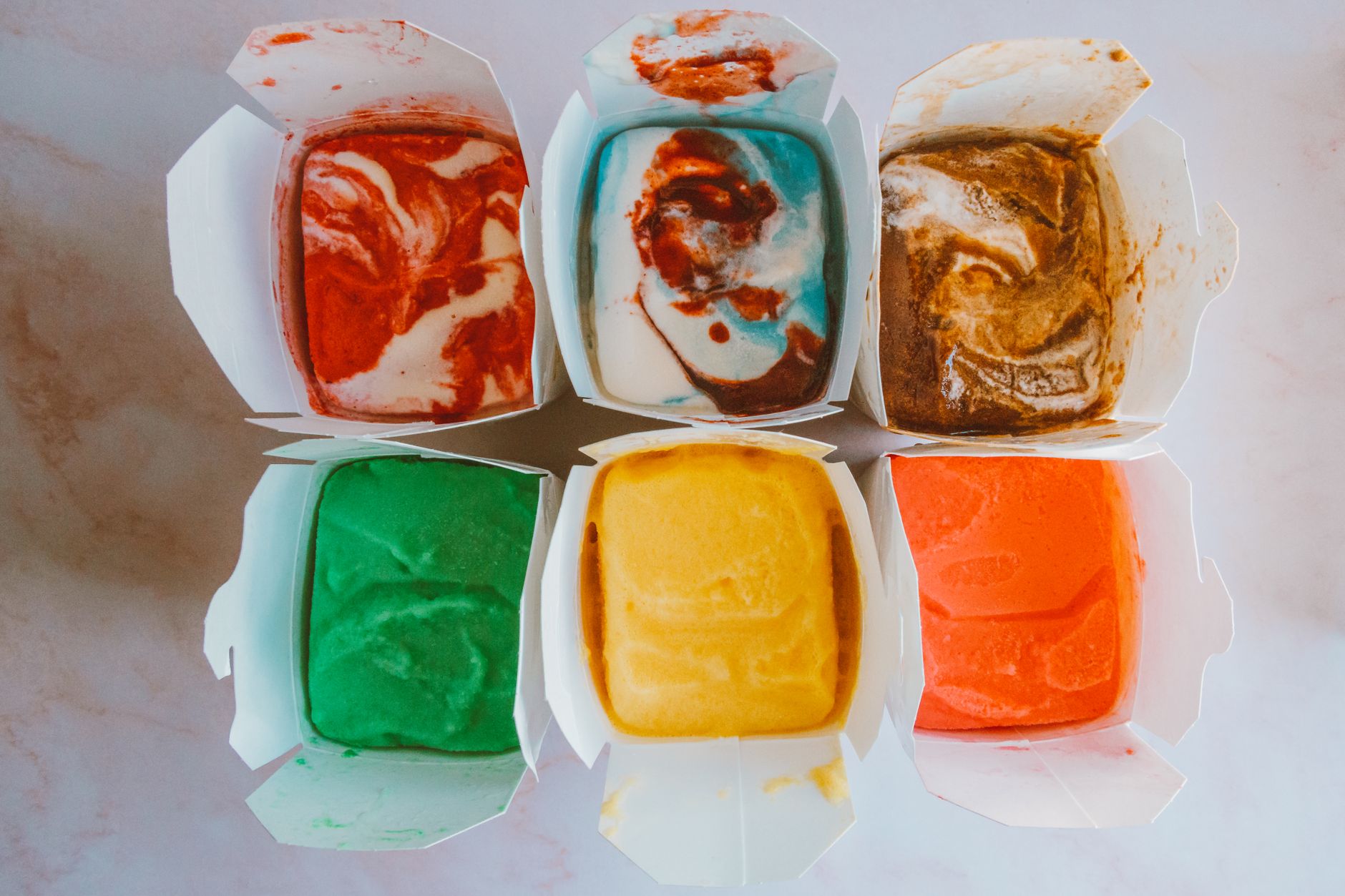
If you love frozen treats, youve probably wondered about the difference between custard vs soft serve. They both look creamy and smooth, but theres more behind the scenes that set them apart. Custards secret weapon is eggs, which give it a richer, denser texture, while soft serve owes its light and fluffy feel to the air whipped in during serving. Knowing these differences helps you choose exactly the right treat to satisfy your cravings.
What Is Custard?
Custard ice cream is a classic frozen dessert made with milk, cream, sugar, and importantly egg yolks. These eggs make a huge difference in the texture and taste. Unlike regular ice cream, custard is slow-churned at a warmer temperature. This gives it a super smooth, dense, and rich mouthfeel that melts beautifully on your tongue.

Why Does Custard Have Eggs?
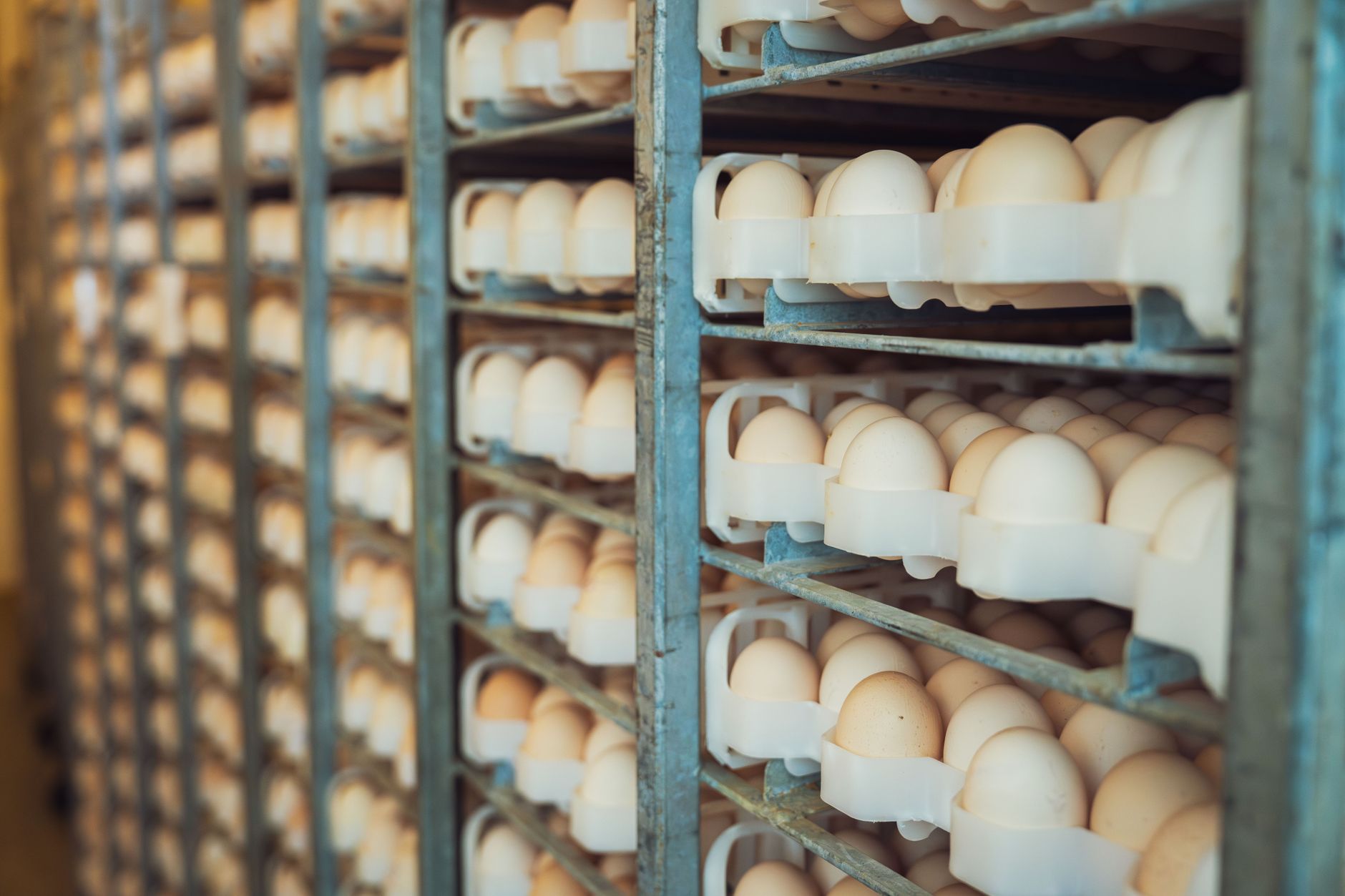
Egg yolks in custard serve as natural emulsifiers and thickeners. They bind milk fat and water molecules together, creating a velvety, luscious texture that regular soft serve cant match. According to dairy science experts, this small addition also contributes to custards slightly richer nutritional profile, adding protein and a smooth creaminess without excess fat. Because the eggs are cooked, concerns about raw egg safety are minimized, making custard both delicious and safe when prepared properly.
How Is Custard Made Differently Than Soft Serve?
Custard‘s journey begins with gently heating milk, cream, sugar, and egg yolks to about 7080C (158176F). This slow cooking process thickens the mix while ensuring the eggs don‘t scramble. Then its cooled and churned slowly, incorporating minimal air to keep it thick. By contrast, soft serve undergoes faster churning at colder temperatures, whipping in lots of air that makes it lighter and fluffier.
Understanding Soft Serve
Soft serve ice cream is a lighter frozen dessert made from milk, cream, sugar, and stabilizerswith no eggs. Its famously served at a warmer temperature than hard ice cream, typically around -6 to -4C (21 to 25F), resulting in that signature soft, creamy swirl. Soft serve machines continuously churn the mixture and whip in air, known as overrun, which can double the volume and create a fluffy texture.
What Makes Soft Serve Different From Regular Ice Cream?
Soft serve differs from regular scoop ice cream primarily by its air content and serving temperature. Regular ice cream is denser with less air, served frozen solid. Soft serve is softer, thanks to 3060% air incorporated during fast churning. This makes it easier to dispense directly from machines and allows for a wide array of playful flavors and toppings popular in fast-food chains and dessert shops.
Is Soft Serve Healthier Than Custard?
Soft serve often feels lighter, which makes people assume its healthier. Nutritionally, it generally contains less fat because it lacks egg yolks and uses lighter dairy blends. However, sugar levels can be similar or even higher due to added stabilizers and flavorings. Custards eggs add protein and fat, making it richer but sometimes more filling. Both can fit a balanced dietjust watch portion sizes and nutritional labels.

Custard Vs Soft Serve: Key Differences
| Feature | Custard | Soft Serve |
|---|---|---|
| Main Ingredients | Milk, cream, sugar, egg yolks | Milk, cream, sugar, stabilizers (no eggs) |
| Texture | Dense, creamy, smooth | Light, airy, soft |
| Air Content (Overrun) | 10-20% | 30-60% |
| Serving Temperature | Colder than soft serve (~ -10C / 14F) | Warmer (~ -6 to -4C / 21-25F) |
| Flavor Profile | Rich, creamy, custardy | Sweet, mild, versatile |
| Nutritional Considerations | Higher fat and protein; contains eggs | Lower fat; usually no eggs but may have stabilizers |
| Allergens | Dairy, eggs | Dairy (may vary) |
How to Tell Them Apart in a Shop or Menu
When ordering, custard is often labeled as frozen custard or egg custard, while soft serve uses terms like soft ice cream or simply soft serve. If youre unsure, ask if eggs are in the mixthis is a foolproof way to distinguish. Some shops might label their dessert as soft serve even when its actually custard, so a quick question helps avoid surprises. Soft serve machines usually dispense dessert in a regular swirl, while custard often looks thicker and may scoop like ice cream.
Benefits and Considerations
Custards richness is a treat for those who love creamy desserts with depth. Egg yolks offer extra protein and help make the dessert more satisfying. However, it has more fat and calories, which might be a consideration for calorie-conscious eaters. Its egg content means people with allergies or dietary restrictions must opt carefully.
Soft serve is a crowd-pleaser for lighter indulgence. It often suits those who prefer a fluffier texture with less fat. The tradeoff: soft serve can contain stabilizers or additives to maintain texture and shelf life. For health-conscious consumers, looking for options that are Halal-certified and free from artificial ingredients is key.
When it comes to Halal certification, always check for trusted logos such as JAKIM, HMC, or IFANCA. These ensure the dairy, eggs, and any additives meet strict Halal standards. This is especially important since custards egg content needs clear sourcing to comply.
Butter sticks cup is a great ingredient to complement custard recipes if you want a homemade touch with clean dairy fats.
Popular Recipes and Serving Suggestions
| Prep time | Cook time | Total time | Servings | Calories (per serving) | Diet tags |
|---|---|---|---|---|---|
| 10 minutes | 15 minutes | 25 minutes | 4 | 220 | Halal, Gluten-Free |
Try this simple custard recipe to enjoy a rich, creamy dessert at home:
- Whisk 4 egg yolks with 100g sugar until smooth.
- Heat 500ml whole milk and 250ml cream in a saucepan over medium heat until steam rises but not boiling.
- Slowly pour warm milk into egg mixture while whisking.
- Return mixture to pan and cook on low heat for 8-10 minutes, stirring constantly until it thickens enough to coat the back of a spoon (about 80C).
- Remove from heat and cool quickly in an ice bath.
- Churn in an ice cream maker or freeze with occasional stirring for at least 4 hours.
For a DIY soft serve experience, consider investing in a home soft serve machine or freezer bowl method. Use a good quality soft serve mix or blend milk, cream, and sugar in the right ratio, then whip to incorporate air for that trademark fluffiness.

Storage Tips
Store custard ice cream in an airtight container and consume within 57 days for best texture and flavor. Soft serve, when homemade, should be kept in the freezer and is best eaten within 3 days since air and moisture affect its texture quickly.
Both desserts keep their best freshness without freezer burn in tightly sealed containers at constant freezing temperatures below -18C (0F).
Is custard vs soft serve actually Halal what should I check?
Check for Halal certification from recognized bodies like JAKIM, HMC, or IFANCA on packaging or menus. Verify no alcohol-based flavorings or non-Halal emulsifiers are used. Since custard contains eggs, ensure they come from certified Halal sources. For soft serve, inquire about dairy origins and any additives to guarantee compliance.
When is the best time to eat custard or soft serve?
Both desserts are perfect anytime you want a refreshing treat, but they shine on warm days or after meals. Custards richer texture makes it excellent as a dessert after dinner, while soft serves lightness suits casual snacking or quick cool-downs.
Can I make custard or soft serve suitable for halal diets at home?
Absolutely! Use Halal-certified milk, cream, and eggs. Avoid any alcohol-based extracts. Homemade custard lets you control ingredients completely, ensuring Halal compliance. Homemade soft serve mixes are easier if you start with Halal-certified dairy bases and simple flavors.
How do texture differences affect flavor perception?
Custards dense, creamy texture enhances richness and depth of flavor, making it taste indulgent. Soft serves airy texture lightens sweetness, often making it feel more refreshing. Both vary greatly depending on air content and serving temperature.
Are eggs essential to custards flavor and texture?
Yes. Eggs provide custard with its silky, creamy signature through emulsification. Without eggs, the mixture would lack body and depth, making it similar to regular ice cream or soft serve.
Can people with allergies enjoy these desserts?
Custard contains dairy and eggs, so those with egg or milk allergies must avoid it. Soft serve typically contains dairy but no eggs, so it may be better suited if egg allergy is a concern. Always check labels for other additives.
Is there a difference in calories between custard and soft serve?
Custard usually has more calories and fat due to eggs and cream contentaround 220 calories per 100g serving. Soft serve tends to be lower in fat and calories but may contain more sugar and stabilizers. Check nutrition labels for exact values.
Whats the most overlooked mistake when buying custard or soft serve?
Many buyers assume all custard or soft serve sold is authentic without checking ingredients or certification. Cheaper versions may lack eggs or contain artificial additives, impacting flavor and quality. Look for transparency on labels and trusted certifications.
Pro tip for texture perfection when making custard?
Slowly heating the custard base on low and stirring constantly prevents scrambling the eggs and ensures a smooth texture. Patience is keyrushing can cause grainy custard or curdling.
More You Might Like
If you enjoy working with quality dairy, check out this guide on Butter sticks cup for ideas on rich baking fats.
For frozen delights, our article on Freeze cream cheese offers tips on using cream cheese in desserts and ice creams.
Conclusion
When deciding between custard vs soft serve, think about texture, richness, and dietary needs. Custard‘s creamy decadence sets it apart thanks to egg yolks, while soft serves airy softness wins hearts with its lightness. Next time you shop or order, check the label or ask about ingredients to enjoy your frozen treat to the fullest. You might also try making custard at home for a fresh, wholesome dessert experience!
FAQs
Is custard vs soft serve actually Halal — what should I check on the label?
Check for halal certification logos from trusted bodies like JAKIM, HMC, or IFANCA. Ensure no alcohol-based flavorings or non-halal emulsifiers are used. For custard, verify that eggs come from halal sources. For soft serve, confirm the dairy and additives comply with halal standards.
When is the best time to eat or drink custard vs soft serve?
Both custard and soft serve are ideal for warm days or as refreshing treats after meals. Custard’s rich texture makes it perfect for dessert after dinner, while soft serve’s light, airy nature suits casual snacking or quick cool-downs anytime.
How long can I store custard and soft serve after opening?
Custard should be kept in an airtight container and consumed within 5-7 days for best quality. Homemade soft serve is best eaten within 3 days, as its texture degrades faster due to air and moisture exposure.
What is the main difference between custard vs soft serve in texture and ingredients?
Custard contains egg yolks and is slow-churned with less air, making it dense and creamy. Soft serve has no eggs, is churned faster with more air, resulting in a lighter, fluffier texture served at a warmer temperature.
Where can I buy authentic custard and soft serve with halal certification?
Look for trusted dessert shops and brands that display halal certification on packaging or menus. Specialty halal grocery stores and some fast-food chains offer certified custard or soft serve. Always ask about ingredient sourcing if unsure.