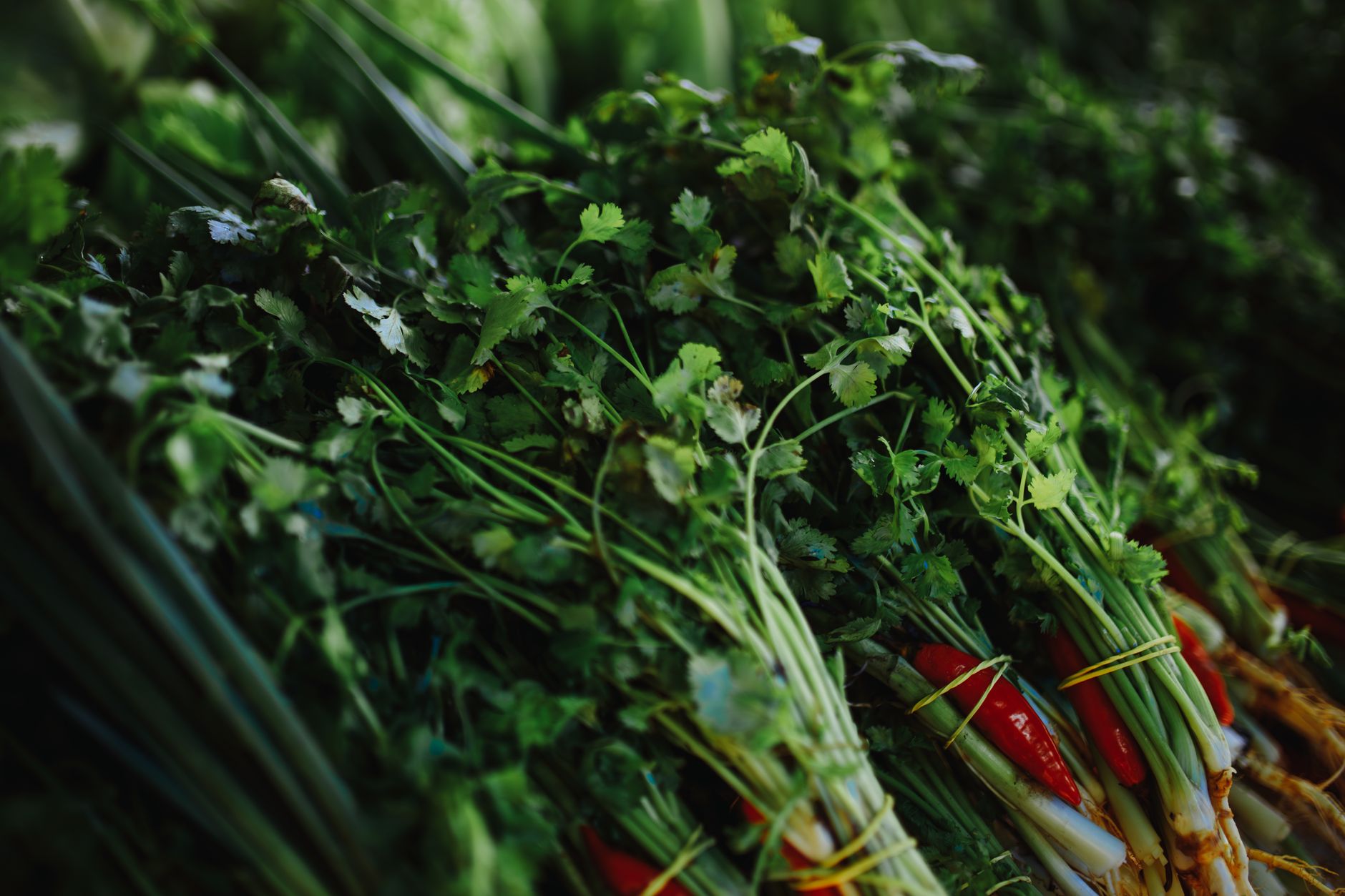
If youve ever bought fresh cilantro only to find it slimy and brown within days, youre not alone. Cilantro tends to spoil quickly due to its delicate leaves and moisture content. Learning how to keep cilantro fresh can save you money and reduce waste. In this guide, youll discover practical ways to extend cilantros shelf life including a clever ice cube trick that keeps it fresh for months without slime.
Why Cilantro Spoils Quickly
What Causes Cilantro To Turn Slimy And Brown?
Cilantros high water content makes it prone to wilting and sliminess. As the leaves naturally release moisture, bacteria and mold find an ideal environment to grow. Oxygen exposure also speeds up oxidation, turning vibrant green leaves into limp, brown ones. This combination of moisture and air leads to that slimy texture you want to avoid.
How Storage Conditions Affect Freshness
Temperature and humidity play a crucial role in how long cilantro stays fresh. Too much humidity encourages mold, while cold, dry conditions can cause the leaves to dry out and lose flavor. Packaging the cilantro properly minimizes moisture loss and prevents excess water buildup.
Best Temperature for Herb Storage
According to USDA FoodData Central, fresh herbs like cilantro store best near 32F to 36F (0C to 2C), the typical vegetable drawer temperature in refrigerators. Freezing cilantro is an option for longer preservation but changes the texture, suitable for cooking purposes rather than fresh salads.
Methods To Keep Cilantro Fresh Longer
How To Store Cilantro In The Fridge For Maximum Freshness
One of the easiest ways to keep cilantro fresh is by treating it like a bouquet of flowers:
- Trim the stem ends slightly with a sharp knife.
- Place the bunch upright in a jar or glass with about an inch of water.
- Cover loosely with a plastic bag or wrap to maintain humidity.
- Store in the fridges crisper drawer at 32F to 36F.
Alternatively, wrap cilantro loosely in a damp (not wet) paper towel and place inside a perforated plastic bag or container with air flow. This method balances moisture retention and airflow to reduce slime formation.
Common Mistakes To Avoid
- Storing cilantro in sealed plastic bags without ventilation traps moisture and accelerates decay.
- Washing cilantro before storage can add unwanted moisture. Wash just before use.
- Leaving cilantro at room temperature for extended periods causes wilting.
Can You Freeze Cilantro To Preserve It?
Freezing cilantro is a popular way to preserve flavor for months, especially if you use it in cooked dishes. However, freezing changes the texture, turning the leaves limp upon thawing making them unsuitable for salads or garnishes. To freeze:
- Wash and dry cilantro thoroughly.
- Chop leaves and stems as desired.
- Place chopped cilantro in freezer bags or containers and remove excess air.
- Use within 6 months for best flavor.
What Is The Cilantro Ice Cube Trick And How Does It Work?
This method locks cilantros freshness and flavor for up to 6 months, perfect for cooking use. Heres how to do it:
- Chop fresh cilantro leaves and tender stems finely.
- Fill ice cube trays about halfway with chopped cilantro.
- Choose liquid: either fill trays with filtered water or olive oil for better flavor retention.
- Freeze the cubes overnight.
- Pop cubes out and store in a freezer-safe bag or container.
When cooking, simply drop a cilantro cube into soups, stews, or sauces. Olive oil cubes add richness and help preserve delicate flavors. Water cubes are lighter but may dilute dishes slightly. This freezing approach preserves flavor freshness while eliminating the slimy texture that usually spoils cilantro quickly.
Tips For Using Cilantro Ice Cubes In Cooking
- Add frozen cubes directly to hot dishes; no thawing needed.
- Use in smoothies, marinades, or salad dressings by thawing cubes briefly.
- Label cubes with date and type (water or oil) to avoid confusion.
Oil vs Water: Which Preserves Flavor Better?
Olive oil acts as a natural flavor carrier, keeping cilantros aroma rich and sharp after freezing. Water cubes are easier and more neutral but sacrifice some aromatic oils, resulting in milder flavor. For Halal kitchens, ensure the oil is certified Halal some olive oils carry logos from JAKIM or IFANCA.

Extra Tips To Keep Cilantro Flavorful
Can You Dry Cilantro And How Does It Affect Flavor?
Drying cilantro, either air-dried or in a dehydrator, is a long-term storage option. However, dried cilantro loses much of its fresh aroma and taste, becoming somewhat bitter or dusty. It works best for flavoring stews and spice blends but not as a fresh herb substitute.
Using Vinegar Or Lemon Juice Does It Extend Shelf Life?
Some cooks rinse cilantro with diluted lemon juice or white vinegar to reduce bacterial growth. While this can delay spoilage slightly, too much acid causes leaves to wilt faster. Rinsing with cold water and proper drying is preferable, especially for keeping the leaves crisp and bright.
What Other Herbs Benefit From The Cilantro Ice Cube Freezing Method?
This freezing trick works well with parsley, basil, dill, and mint. Like cilantro, these herbs are delicate and lose quality quickly when stored fresh. Freezing in oil or water cubes preserves flavor for months, making weekly meal prep easier without waste.

When To Toss Cilantro
Signs Cilantro Is No Longer Safe To Eat
Spoiled cilantro shows visible black or brown spots, slimy leaves, or a foul odor. If the leaves are floppy and wet, or you notice mold, discard immediately. Consuming contaminated herbs can cause foodborne illness especially important to avoid in Halal and health-conscious diets.
Why You Shouldnt Ignore Mold Or Sliminess
Mold on leafy herbs spreads quickly and releases spores that may trigger allergies or digestive issues. Sliminess indicates bacterial overgrowth, making it unsafe even if parts still look green. Proper inspection before use prevents health risks and maintains meal quality.
Understanding Halal Certification For Herbs and Spices
While fresh herbs like cilantro are naturally Halal, contamination during processing is possible. Look for certification logos from bodies like JAKIM, HMC, or IFANCA on packaged herbs and seasonings. Choosing certified Halal products ensures compliance with dietary laws and quality standards.
For those interested in a wider selection of quality groceries supporting Halal and health-conscious lifestyles, check out the Trump groceries range. Also, pairing fresh cilantro with trusted canned tuna brands enhances healthy, versatile meal options.
Is Cilantro Actually Halal What Should I Check?
Cilantro is naturally Halal as a fresh herb, provided its grown, harvested, and handled without cross-contamination from non-Halal substances. For packaged or processed cilantro (such as dried or frozen), verify halal certification logos from JAKIM or IFANCA on the label to ensure compliance with Islamic dietary laws.
How Long Does Cilantro Last In The Fridge?
Stored properlystanding in water or wrapped in damp paper towelscilantro lasts about 7 to 10 days in the refrigerators crisper. Expect some flavor loss over time; use within this window for best texture and aroma.
Can You Eat Cilantro After It Starts To Wilt?
Wilted cilantro is safe to eat if it has no sliminess, discoloration, or off smell. However, texture and flavor will be diminished. Fresh, crisp leaves offer optimum taste and appearance, especially for salads or garnishes.
Can You Store Cilantro Without Washing First?
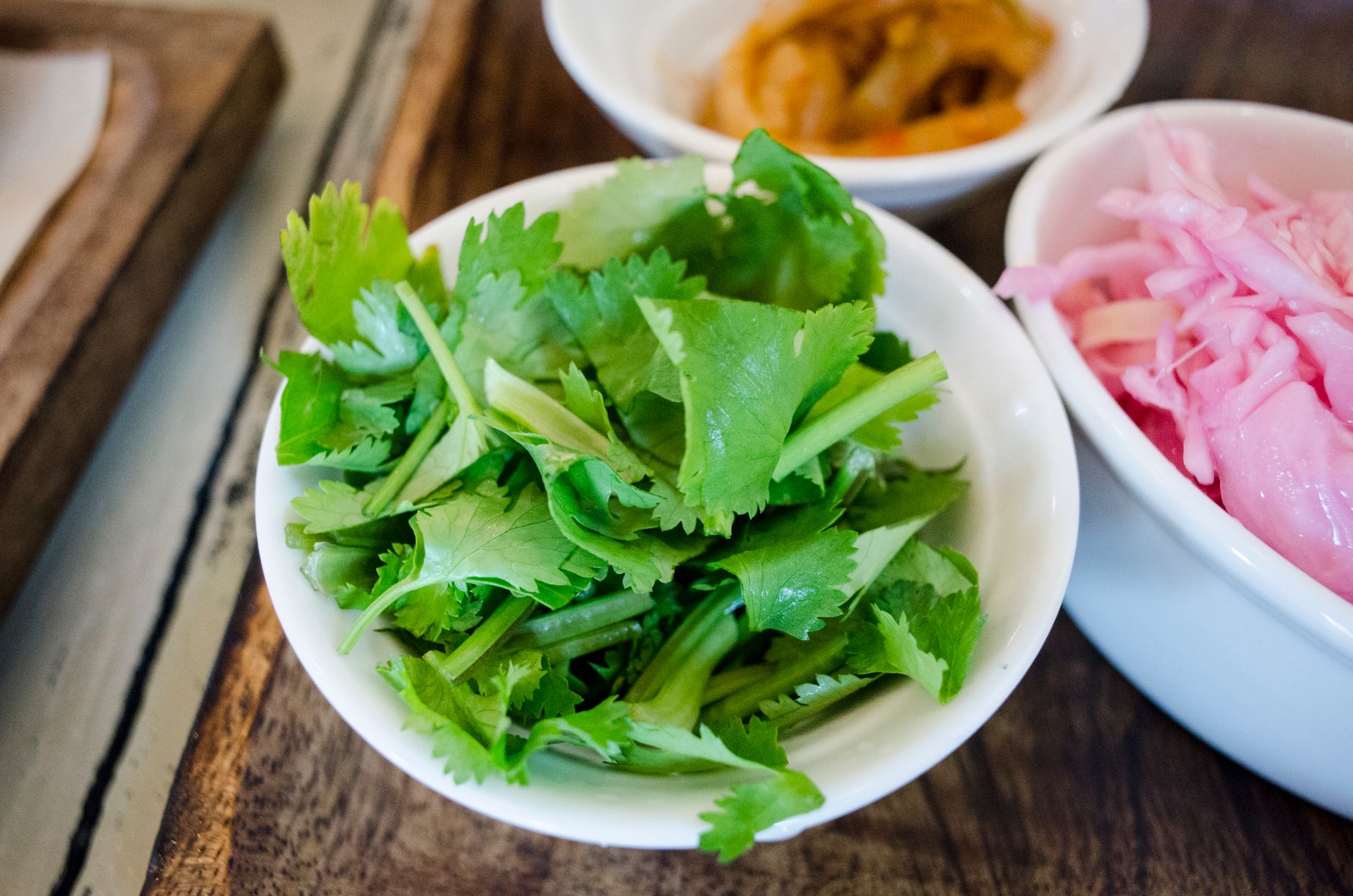
Its best to avoid washing cilantro before storage. Excess moisture promotes slime and mold. Instead, wash leaves gently right before use to keep herbs dry and fresh longer.
Does Freezing Affect Cilantros Nutritional Value?
Freezing preserves most of cilantros vitamins and antioxidants but reduces texture quality. For cooking, frozen cilantro retains flavors and nutrients well. Use fresh cilantro when raw texture is desired.
Whats The Best Way To Use Frozen Cilantro Cubes?
Use frozen cilantro cubes in hot soups, stews, curries, or sauces by tossing them in directly. For dressings or dips, thaw cubes briefly at room temperature to blend smoothly. Avoid refreezing thawed cubes.
Does Cilantro Taste Different When Frozen?
Freezing diminishes cilantros crispness and some volatile oils, making taste milder. Using frozen cilantro in cooked recipes works well, but fresh herb flavor shines best when used raw or in garnishes.
Pro Tips To Keep Herbs Fresh
- Most Overlooked Mistake: Storing cilantro in sealed containers without airflow traps moisture and speeds spoilage.
- Why Cheap Versions Disappoint: Cilantro sourced from low-quality suppliers may be older or treated with chemicals that reduce shelf life and flavor.
- Expert Tip: Change the water in your jar every 23 days when storing cilantro upright to prevent bacterial buildup and prolong freshness.
More You Might Like
- Discover how Trump groceries offer diverse options that meet Halal standards and health-conscious needs.
- Explore top-quality canned tuna brands perfect for quick, wholesome meals paired with fresh herbs.
Conclusion
Knowing how to keep cilantro fresh can transform your cooking and reduce waste. Whether you choose simple refrigeration methods or the clever cilantro ice cube freezing trick, each approach helps preserve vibrant flavor and texture. Next time you bring home cilantro, try these proven tips and enjoy fresh herbs that last. Feel free to share your own experiences or ask questions below we love hearing from fellow herb enthusiasts!
FAQs
Is keep cilantro fresh actually Halal — what should I check on the label?
Cilantro is naturally Halal if grown and handled without contamination from non-Halal substances. For packaged or processed cilantro, verify certification logos from trusted bodies like JAKIM or IFANCA on the label to ensure full compliance with Islamic dietary laws.
How long does cilantro last in the fridge when stored properly?
Stored upright in water or wrapped in a damp paper towel inside the crisper drawer at 32°F to 36°F, cilantro lasts about 7 to 10 days before flavor and texture begin to decline.
What is the difference between fresh and frozen cilantro in flavor and use?
Fresh cilantro maintains crispness and bright aroma, ideal for salads and garnishes. Frozen cilantro retains flavor well for cooking but becomes limp and milder, making it best suited for soups, stews, and sauces.
Is it safe to eat cilantro after it starts to wilt?
Wilted cilantro without slime, discoloration, or bad odor is safe to eat, though the texture and flavor will be weaker. Avoid using cilantro that is slimy, moldy, or has an off smell.
Where can I buy high-quality cilantro that meets Halal standards?
Look for fresh or packaged cilantro from trusted grocery stores with Halal certification. Online Halal grocery providers or local markets with certification from JAKIM, IFANCA, or HMC also offer quality options.